
Side Dishes
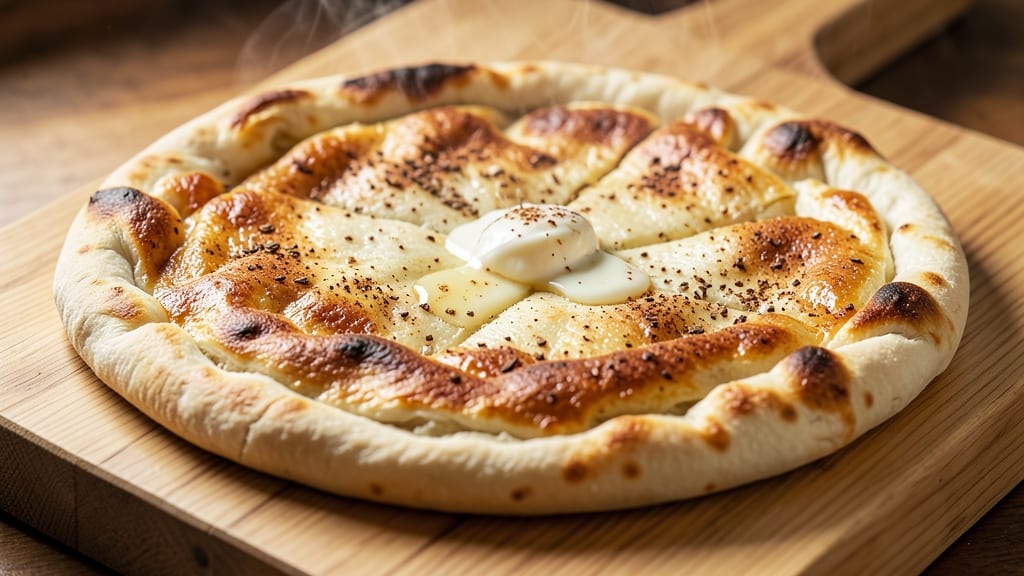
This Ambashá bread recipe brings the rich traditions of Ethiopian cuisine to your kitchen with its signature spiced, buttery layers. 🌟 The dough combines warm spices like cardamom and cinnamon with a touch of butter, creating a fragrant flatbread that's both tender and slightly crisp.
Unlike many flatbreads, Ambashá has a unique texture—soft inside with a delicate golden crust—that pairs perfectly with stews or spicy berbere dishes.
The beauty of this recipe lies in its simplicity: just a handful of ingredients transform into a bread that feels special enough for gatherings but easy enough for weeknight meals.
The dough rests briefly to develop flavor, then gets rolled thin and cooked on a hot griddle or in the oven until golden. What sets Ambashá apart is the subtle sweetness from the spices and butter, balancing the bold flavors of Ethiopian cuisine.
What you'll end up with is a stack of flaky, aromatic flatbreads that can be used to scoop up stews, wrap in injera-style, or serve alongside grilled meats. The spices infuse the dough with warmth, while the butter adds richness without overpowering the traditional taste.
This bread isn't just a side—it's a centerpiece that turns any meal into a celebration of Ethiopian culture.
Whether you're serving a traditional wat (stew) or simply enjoying the bread with tea, this recipe delivers restaurant-quality results at home. The key is patience in rolling and cooking—thin layers ensure even browning and that signature tender bite. Let's get started on making this iconic bread!
Ingredients for ambasha bread
Nine simple ingredients transform into fragrant, buttery Ethiopian flatbread with signature spiced layers.
| Ingredient | Amount | Notes |
|---|---|---|
| All-Purpose Flour 🌾 | 3 ½ cups | High-protein preferred for elasticity |
| Unsalted Butter 🧈 | ½ cup | Cold, cubed for even distribution |
| Granulated Sugar 🍚 | ¼ cup | Balances spice sweetness |
| Instant Yeast 🍞 | 1 tsp | Ensures proper rise |
| Ground Cardamom 🌿 | 1 tsp | Freshly ground for aroma |
| Ground Cinnamon 🍃 | ½ tsp | Warmth without overpowering |
| Salt 🧂 | ½ tsp | Diamond Crystal preferred |
| Warm Water 💧 | 1 ¼ cups | 110°F for optimal yeast activation |
| Vegetable Oil 🫒 | 1 tbsp | For greasing dough bowl |
The flour is critical—high-protein varieties like King Arthur or Bread Flour develop gluten better for that signature tender bite. For the spices, Penzeys or bulk bins at specialty markets ensure freshness, as ground cardamom loses potency quickly. Butter should be cold and cubed when mixed into the dough to create those signature flaky layers. If you can't find cardamom, allspice or a pinch of nutmeg can mimic its warmth, though purists insist on the real thing. The yeast must be fresh—test it by dissolving in warm water with a pinch of sugar; if it foams within 5 minutes, it's active.
No cardamom? A blend of 0.25 tsp each nutmeg and allspice works in a pinch, though the flavor won't be identical. Substitute butter with vegan butter or coconut oil for a dairy-free version, though texture may vary slightly. For the sugar, maple syrup or honey can replace granulated, but reduce to 0.2 cup to avoid excess sweetness. The water temperature is crucial—too hot kills yeast, too cold slows activation. If your kitchen runs cold, warm the water slightly longer. For a richer dough, add 1 tbsp sour cream or yogurt to the wet ingredients, though this alters the traditional texture.
Dough keeps best in the fridge for up to 2 days wrapped tightly in plastic. For longer storage, freeze shaped dough balls for 3 months—thaw overnight before rolling. The cooked bread reheats beautifully: wrap in a damp towel and steam in a 350°F oven for 5 minutes to restore tenderness. These flatbreads freeze well after baking too—separate layers with parchment to prevent sticking. Store in an airtight container with a paper towel to absorb moisture and maintain crispness.
Why You'll Love This Recipe
- No-Knead Magic: I swear by this dough—just mix, let it rise once, then shape. No punchy arms, no sticky mess; the butter and sugar do half the work while you sip your coffee.
- Cardamom Kiss: That warm, floral spice isn’t just decoration—it’s the star. A pinch of ground cardamom transforms plain flour into something ridiculously aromatic, like a hug in bread form.
- Breakfast to Brunch: Serve it toasted with jam for lazy mornings or tear it into strips for french toast. Same dough, endless uses—no guilt, just flexibility.
- Budget-Friendly Staple: Flour, butter, sugar—these are pantry basics that stretch. A single batch feeds my family for days, and the leftovers? Even better the next day, slightly firmer and perfect for sandwiches.
Step-by-step instructions for Ethiopian spiced flatbread
Mastering ambashá bread requires patience and precise technique for that signature buttery, spiced texture.
👨🍳 Step 1: Prepare the Spiced Dough Base
In a large mixing bowl, combine the 3.5 cups all-purpose flour, 1 tsp instant yeast, 1 tsp ground cardamom, 0.5 tsp ground cinnamon, and 0.5 tsp salt. Whisk vigorously to distribute the spices evenly through the flour—this ensures consistent flavor in every bite. I like to use a wire whisk for this step to avoid creating gluten too early.
Create a well in the center and add the 0.5 cup cold cubed butter and 0.25 cup granulated sugar. Using your fingertips, work the butter into the flour mixture until it resembles coarse crumbs with pea-sized butter pieces remaining. This cold butter technique creates those signature flaky layers we're after. Add the 1.25 cups warm water (tested at 110°F) and 1 tbsp vegetable oil to the center and gradually incorporate, mixing just until combined.
🍳 Step 2: Develop the Dough to Windowpane Stage
Turn the dough onto a lightly floured surface and knead for 8-10 minutes until smooth and elastic. I test for proper development by performing the windowpane test: stretch a small piece of dough thin enough that you can read newsprint through it without tearing. This indicates optimal gluten development for the bread's structure.
Shape the dough into a round ball, brush the outside lightly with vegetable oil, then place it in a clean bowl. Cover with a damp kitchen towel and let rise at room temperature for 1 hour or until doubled in size. The dough should feel light and springy when pressed gently—this confirms proper yeast activation and fermentation.
🥘 Step 3: Create the Signature Layered Structure
Divide the risen dough into 6 equal portions (about 4-5 ounces each) and roll each into a 12-inch circle on a floured surface. For the characteristic ambashá layers, place 1 tablespoon of softened butter in the center of each circle, then fold the edges inward to create a half-moon shape. Seal the edges tightly by pinching with your fingers.
Roll the butter-filled half-moons into 10-inch circles, keeping the butter centered. This creates the signature layered effect when baked. Arrange the shaped dough on a parchment-lined baking sheet, cover with a damp towel, and let rest for 20 minutes before baking. This resting period relaxes the gluten and helps maintain the layers during baking.
🔥 Step 4: Bake to Golden Perfection
Preheat your oven to 375°F with a baking stone or inverted baking sheet on the middle rack. This creates even heat distribution for consistent browning. Bake the bread for 18-22 minutes until the edges are deep golden brown and the internal temperature reaches 190°F. The bread should sound hollow when tapped on the bottom.
For that signature ambashá texture, I recommend brushing the hot bread with melted butter immediately after baking. This adds an extra layer of richness and enhances the spiced flavor. Let the bread cool on a wire rack for 10 minutes before serving—this allows the layers to set properly while maintaining their buttery tenderness.
Pro Tips For Making Ambasha Bread
- SOFTEN THE BUTTER FIRST: Skip the room-temperature guesswork—chill the butter for 10 minutes after taking it out of the fridge, then press it with a fork until it’s crumbly but still holds shape. This keeps your dough from getting too sticky when mixing the butter into the flour, and the cardamom flavor stays more even.
- WEIGH YOUR FLOUR: Scooping flour from the bag adds air and ruins the texture. Use a kitchen scale for precision—ambasha dough is delicate, and too much flour makes it dense. Scoop once, level it off, and stick to the recipe’s weight.
- LET THE DOUGH REST: After shaping, cover the dough and refrigerate it for at least 2 hours (or overnight). This step isn’t optional—it lets the gluten relax, so your bread rises evenly and doesn’t crack open when baking. (Yes, even if you’re impatient like me.)
- USE A THERMOMETER FOR THE OVEN: Ambasha bread needs a steady 350°F (175°C), but most home ovens run hot or cold. Preheat for 30 minutes, then check the temp—if it’s off by even 25°F, your bread will either burn or stay doughy. A $10 thermometer fixes this forever.
Best sauces and condiments for this ambasha bread
Spicy Berbere Sauce
Ethiopian berbere sauce is the ultimate pairing for ambashá bread—its complex blend of chili, garlic, ginger, and fenugreek creates a bold contrast to the bread's buttery sweetness. I recommend using 2 tablespoons of berbere per serving, mixed with a splash of water to create a loose sauce.
The heat from the chili peppers balances the bread's richness, while the spices add depth. For a milder version, reduce the chili content by half. 🌶️
Buttery Garlic Aioli
This creamy dip transforms ambashá into a perfect appetizer. Mix ½ cup mayonnaise with 2 minced garlic cloves, 1 tablespoon lemon juice, and 1 tablespoon melted butter. The garlic's sharpness cuts through the bread's sweetness, while the butter reinforces its signature flavor.
Serve at room temperature for best texture. For extra richness, add ½ teaspoon ground cardamom to match the bread's spices.
Yogurt and Mint Dip
A refreshing yogurt-mint dip balances the bread's warmth. Whisk ½ cup plain yogurt with 1 tablespoon chopped fresh mint, ½ teaspoon salt, and 1 teaspoon honey. The cooling yogurt and bright mint create a palate-cleansing contrast to the spiced bread.
For extra tang, add ½ teaspoon lemon zest. This dip is especially great with spicy stews or grilled meats.
Honey and Cinnamon Glaze
For a sweet-savory twist, brush warm ambashá with a mix of 1 tablespoon honey and ½ teaspoon ground cinnamon. The honey caramelizes slightly, adding a sticky, aromatic finish that complements the bread's buttery layers.
This glaze works beautifully as a dessert bread or alongside fruit compotes. For extra flair, sprinkle with toasted sesame seeds before serving.
Spiced Olive Oil
Infuse ½ cup olive oil with 1 teaspoon ground cardamom, ½ teaspoon ground cinnamon, and 1 crushed garlic clove for 10 minutes. Strain and drizzle over warm ambashá to enhance its natural flavors.
This oil also works as a marinade for meats or a finishing touch for stews. Store leftovers in an airtight container for up to 2 weeks.
Ethiopian Spiced Tea
Pair your ambashá with Ethiopian spiced tea—a fragrant blend of black tea, cardamom, and cinnamon. Steep 1 teaspoon loose black tea with ½ teaspoon ground cardamom and ¼ teaspoon cinnamon in 1 cup boiling water for 5 minutes.
The tea's warmth and spices mirror the bread's flavor profile, creating a cohesive dining experience. Serve with lemon slices for brightness. ✨
Nutrition facts
Frequently asked questions
Can I make ambashá bread without cardamom?
Yes, but the flavor will differ slightly. For a similar aromatic profile, substitute with ½ teaspoon each of allspice and nutmeg. If you want to keep the warmth without cardamom, try ½ teaspoon ground ginger—it adds a different but complementary spice note. The butter and cinnamon will still provide that signature sweetness.
How do I store leftover ambashá bread?
Store in an airtight container at room temperature for 2 days, separated by parchment paper to prevent sticking. For longer storage, freeze the bread for up to 3 months. To reheat, wrap in a damp towel and steam in a 350°F oven for 5 minutes—this restores the buttery layers beautifully.
Why did my ambashá bread turn out dense instead of flaky?
This usually happens when the butter melts too quickly during mixing or if the dough wasn't rested properly. Keep the butter cold when incorporating and ensure you knead the dough to the windowpane stage—this develops the gluten needed for those signature layers. Also, don't skip the 20-minute rest before baking.
Can I use this recipe for gluten-free ambashá?
Traditional ambashá relies on gluten for its texture, but you can adapt it with gluten-free 1:1 flour blend and xanthan gum. Replace the all-purpose flour with 3.5 cups gluten-free flour mix and add ½ teaspoon xanthan gum to mimic the elasticity. The result will be less flaky but still aromatic and delicious.
What's the best way to serve ambashá bread?
This versatile bread works perfectly with Ethiopian stews (wat), grilled meats, or as a side for salads. For extra flair, brush warm bread with melted butter and sprinkle with toasted sesame seeds. It also makes a great appetizer with spiced olive oil or yogurt-mint dip—the contrast of warm bread with cool toppings is divine.