
Side Dishes
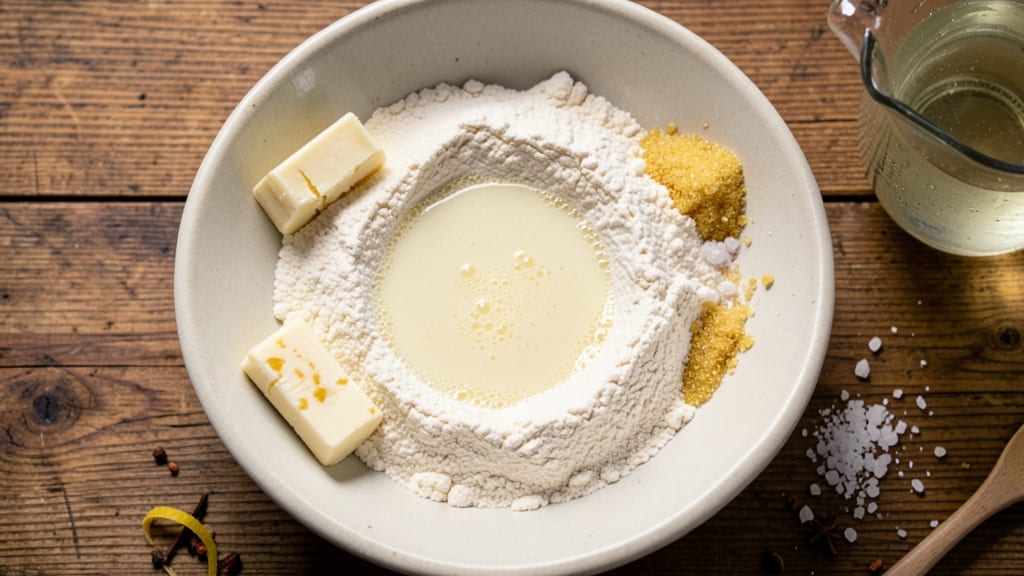
This amazing French bread recipe delivers the crispy crust and airy crumb you crave—no fancy equipment needed. I’ve perfected this method over years of baking, and the secret lies in a slow fermentation that develops deep, tangy yeast flavor.
The dough is simple but transforms into golden, crackling baguettes that smell like a Parisian bakery.
What makes this recipe special is the balance between tradition and convenience. You’ll knead the dough just enough to develop gluten, then let it rise overnight in the fridge for maximum flavor.
The long fermentation creates that signature tangy taste and tender crumb, while high-heat baking in a Dutch oven gives you that iconic crispy crust. It’s the kind of bread that makes you want to slow down and savor every bite.
By the end, you’ll have restaurant-quality French bread with a shatteringly crisp exterior and a soft, airy interior. The aroma alone will have everyone gathering around the table.
This recipe is foolproof—even if you’ve never baked bread before, you’ll get perfect results. Ready to make your kitchen smell like a Parisian bakery?
Serve it warm with butter, dip it in olive oil, or use it for sandwiches—this bread is versatile enough for any meal. Let’s get started on your homemade baguettes!
Ingredients for amazing french bread
Simple ingredients transform into golden, crackling baguettes with that perfect Parisian aroma.
| Ingredient | Amount | Notes |
|---|---|---|
| Active Dry Yeast 🍞 | ¼ oz | 1 packet or 2 1/4 tsp |
| All-Purpose Flour 🌾 | 5 cups | Plus extra for dusting |
| Granulated Sugar 🍚 | 1 tbsp | Enhances yeast activation |
| Salt 🧂 | 2 tsp | Diamond Crystal preferred |
| Unsalted Butter 🧈 | ½ cup | Cold, cubed for dough |
| Warm Water 💧 | 1 ½ cups | 105-110°F for yeast |
| Cornmeal 🌽 | ¼ cup | For dusting Dutch oven |
| Ice Water ❄️ | ½ cup | For final shaping |
The yeast is the star here—King Arthur or Bob's Red Mill brands activate best. Warm your water to 105-110°F (like bathwater) to wake it up properly. The flour matters too: King Arthur or Caputo Tipo 00 if you want that authentic Italian touch, but regular all-purpose works in a pinch. I always grab my butter from Whole Foods for the best quality—cold cubes melt just right during kneading. The sugar might seem small, but it feeds the yeast for that extra tangy flavor. And trust me on the salt: Diamond Crystal dissolves better than table salt.
No yeast? Sourdough starter at 1/4 cup works in a bind. Short on butter? Olive oil at half the amount keeps things moist. The cornmeal is optional but worth it—it prevents sticking in your Dutch oven. For a quicker rise, use instant yeast at half the amount, but the slow fermentation is what gives this bread its signature depth. If your kitchen's hot, chill the dough an extra hour—it's non-negotiable for that perfect crust. And if you're feeling fancy, add 1 tsp malt powder for extra browning.
This dough is a patient one—let it rise overnight in the fridge for maximum flavor. Shape your baguettes 2 hours before baking so they relax properly. Store wrapped at room temp for 2 days, or freeze for 3 months (thaw overnight). The crust gets crispier as it cools, so slice just before serving. Pro tip: Dip in olive oil while warm—it's the best part.
Why You'll Love This Recipe
- No-Knead Magic: I swear by this trick—just mix the yeast, flour, sugar, and a pinch of salt, then let it rise overnight. No standing at the counter, no sore arms, just wake up to dough ready to bake. The butter worked into the dough later? That’s what gives it that melt-in-your-mouth richness.
- Crust That Cracks: Honestly, nothing beats that first bite when the crust is golden and shatteringly crisp, but the inside stays soft. The sugar caramelizes just enough to give it a subtle sweetness, while the butter adds depth—like a warm hug from a Parisian bakery.
- Weeknight Workhorse: This bread is my go-to for sandwiches, toast, or even garlic butter dipping. Freeze half the batch for lazy mornings or last-minute guests. Between us, I’ve used it for everything from grilled cheese to sopping up soup—it’s that reliable.
- Budget Bakery Trick: Five ingredients, zero fancy tools. The yeast and flour stretch further than store-bought, and the butter makes it feel special without breaking the bank. Plus, a single batch feeds four, so you’re not scrambling for leftovers—just reheat slices in the oven. Easy wins.
Step-by-step instructions for artisan French bread
Let's bake a rustic loaf with a crisp crust and airy interior—perfect for sandwiches or dipping.
Activate the Yeast for Maximum Rise
In a small bowl, combine the 0.25 oz active dry yeast, 1 tbsp granulated sugar, and 1.5 cups warm water (105-110°F). Stir gently until the sugar dissolves, then let it sit for 5-10 minutes until foamy. You'll see tiny bubbles forming—this means the yeast is alive and ready to work its magic.
If the mixture doesn't bubble after 10 minutes, your yeast might be dead. Start fresh with a new packet. The sugar helps feed the yeast, while the warm water creates the perfect environment for activation. This step is non-negotiable—skipping it results in dense, flat bread.
Mix the Dough Until Smooth and Elastic
In a large bowl, whisk together 5 cups all-purpose flour and 2 tsp salt. Add the yeast mixture and 0.5 cup cold cubed unsalted butter, then mix with a wooden spoon until a shaggy dough forms. The butter should still be cold—this prevents the dough from becoming too soft.
Transfer the dough to a lightly floured surface and knead for 8-10 minutes until smooth and elastic. You'll know it's ready when it springs back slowly when poked. If the dough feels sticky, add flour 1 tablespoon at a time—but don't overdo it, or you'll dry out the texture. The kneading develops gluten, which gives French bread its signature chew.
Let the Dough Rise Until Doubled in Size
Lightly grease a large bowl with a bit of oil, place the dough inside, and cover with a damp kitchen towel. Let it rise in a warm spot for 1-2 hours until it's puffy and nearly doubled in size. The kitchen should feel slightly warm—this encourages yeast activity.
Gently press your finger into the dough. If it springs back slowly, it's ready. If it springs back quickly, give it another 30 minutes. Overproofing kills flavor, while underproofing means dense bread. Patience here pays off—this resting period develops the bread's complex yeasty aroma and light texture.
Shape and Proof for the Final Rise
Punch down the dough to release air, then divide it into 4 equal pieces (about 1 pound each). Roll each piece into a 12-inch log, tapering the ends slightly. Place the logs seam-side down on a baking sheet dusted with 0.25 cup cornmeal—this prevents sticking and adds a subtle crunch.
Cover the shaped loaves with a damp towel and let them rise for another 30-45 minutes until they're slightly puffy. The cornmeal also helps create that classic French bread crust. Preheat your oven to 450°F with a Dutch oven inside for 30 minutes—this ensures a steamy environment for an oven spring.
Bake for a Crisp Crust and Airy Interior
Carefully transfer the loaves to the preheated Dutch oven (use a peel or parchment paper for easy handling). Bake for 25-30 minutes until the crust is deep golden brown and sounds hollow when tapped. If the crust browns too quickly, tent with foil to prevent burning.
Remove the bread from the oven and brush the tops with 0.5 cup ice water immediately. This creates a glossy, crisp finish. Let the loaves cool on a wire rack for at least 1 hour before slicing—this prevents a gummy interior. The result? A crust so crisp it shatters, and a crumb so light it melts in your mouth.
Pro Tips For Making Amazing French Bread
- Bloom the Yeast First: Skip mixing dry yeast straight into flour—it wakes up faster in warm water with sugar. Stir in 1 cup warm water (110°F, not hot), 1 tsp sugar, and yeast, then wait 5–10 minutes until foamy. This guarantees your dough rises right the first time, no sluggish loaves.
- Butter at Room Temp: Cold butter creates tough dough; soft butter makes it tender. Cut the ½ cup unsalted butter into small cubes, let sit 30 minutes at room temp, then mix until just combined—not greasy. (Yes, even if you’re impatient like me.)
- Don’t Over-Knead: French bread needs just enough gluten—overworking it makes it chewy. Knead by hand until smooth (about 8–10 minutes) or pulse a stand mixer for 4–5 minutes. Stop when the dough springs back slowly when poked. (I learned this the hard way after a rubbery disaster.)
- Steam the Oven: A damp towel on the oven rack or a tray of boiling water for the first 10 minutes locks in that perfect crust. No steam? Spray the dough with water right before baking. The difference between a dry crust and a golden, crisp shell is just this step.
Perfect pairings for this recipe
Butter & Olive Oil
Freshly baked French bread deserves nothing less than high-quality butter or extra-virgin olive oil for dipping. I recommend Plugrá butter from Whole Foods for its rich, European-style flavor. For olive oil, Colavita or California Olive Ranch brands offer that perfect balance of fruity and peppery notes.
Warm the bread slightly before dipping to enhance the butter's melt and the oil's aroma.
Classic Garlic Confit
Infuse your bread with garlic by making a quick garlic confit. Slice 4 cloves of garlic lengthwise, then smash them flat with the side of your knife. Coat with 2 tbsp olive oil and ½ tsp salt, then roast at 375°F for 15 minutes until golden.
Rub the warm garlic onto toasted bread for an instant flavor boost. 🧄
Herb-Infused Compounds
Create a herb compound butter> by mixing ½ cup softened butter> with 1 tbsp chopped fresh rosemary>, 1 tbsp thyme>, and a pinch of salt. Roll into a log, chill for 1 hour, then slice and serve with warm bread.
For a savory twist, add 1 tsp lemon zest> and ½ tsp garlic powder>—this brightens the bread's crust beautifully.
Sweet & Savory Toppings
Drizzle warm bread with honey> or balsamic glaze> for a sweet-savory contrast. I love Manuka honey> for its floral depth or Balsamic Crema> from Trader Joe's for a tangy finish.
For a gourmet touch, sprinkle with flaky sea salt> like Maldon>—it enhances every bite without overpowering.
Cheese Pairings
French bread pairs beautifully with aged cheeses> like Comté> or Parmigiano-Reggiano>. Grate ½ cup> over warm bread and finish with a drizzle of white truffle oil> for an elegant touch.
For a quick lunch, layer with brie> and fig jam>—the creamy cheese and sweet fruit create a perfect balance.
Beverage Matches
Sip on a crisp Sancerre white wine> from the Loire Valley to complement the bread's buttery richness. For beer lovers, a Belgian witbier> like Hoegaarden> offers citrusy notes that cut through the bread's crust. Coffee or espresso> also works—its bitterness contrasts the bread's sweetness wonderfully. ☕
Nutrition facts
Frequently asked questions
Can I make this French bread without a Dutch oven?
Yes! If you don't have a Dutch oven, use a heavy baking sheet or even a pizza stone. Preheat it in the oven for 30 minutes before baking. For extra steam, place a metal bowl of water on the lower rack. The crust won't be quite as crispy, but you'll still get a delicious loaf.
Why does my French bread turn out dense instead of light?
Dense bread usually means the dough didn't rise enough or was over-kneaded. Make sure your yeast is active (it should foam in 5-10 minutes with warm water and sugar). Also, knead just until the dough springs back slowly when poked—overworking develops too much gluten. Let it rise until doubled in size.
How do I store French bread to keep it fresh?
Wrap cooled loaves tightly in plastic wrap or a bread bag. Store at room temperature for 2-3 days—the crust stays crispier than in the fridge. For longer storage, freeze for up to 3 months. Thaw overnight on the counter, then warm in a 350°F oven for 5-10 minutes to revive the crust.
Can I make this recipe with whole wheat flour?
You can substitute up to 25% whole wheat flour (about 1.25 cups) for a nuttier flavor, but expect a denser texture. The gluten in whole wheat develops differently, so knead longer and let it rise slightly longer. For best results, use a mix of 75% all-purpose and 25% whole wheat—this keeps the bread light yet flavorful.
What's the secret to that perfect crispy crust?
The magic happens with steam and high heat! Bake in a preheated Dutch oven for 25-30 minutes at 450°F, then finish with a quick brush of ice water. The steam traps moisture for a longer rise, while the high heat creates that signature shatter. For extra crunch, bake 5 minutes uncovered at the end.