
Side Dishes
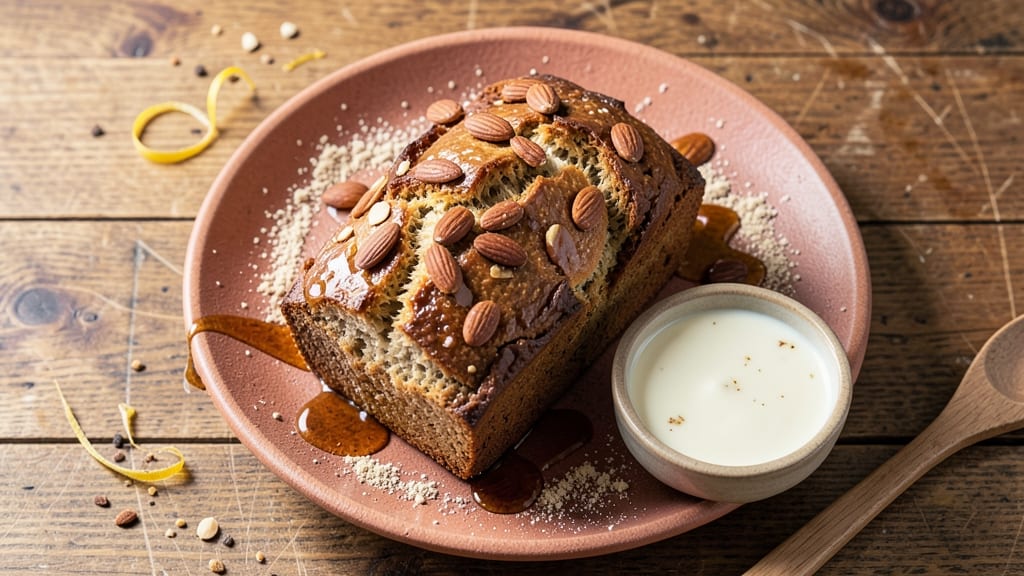
This almond sourdough bread recipe delivers a perfect balance of nutty richness and classic sourdough airiness—ideal for sandwiches or toast. The secret lies in blending almond flour with traditional sourdough starter, creating a crust with deep flavor and an open, tender crumb.
I’ve refined this recipe over years to ensure reliable fermentation and a golden-brown finish every time.
The process begins with activating a sourdough starter, then combining it with almond flour and whole almonds for texture and aroma. Unlike standard sourdough, this version incorporates almond milk for extra moisture, while a touch of honey enhances browning.
The dough requires careful proofing to develop that signature airy rise, but the payoff is worth it.
Once baked, you’ll have a loaf with a crisp, nutty crust and a soft, open interior—perfect for slicing thick or toasting. The almonds add subtle crunch and depth, making this bread stand out at any table.
Whether you’re a seasoned baker or new to sourdough, this recipe simplifies the process without sacrificing flavor.
Pair it with soups, charcuterie, or simply enjoy it plain. The key to success? Patience during fermentation and precise baking. Let’s get started—your kitchen will smell incredible in just a few hours.
Ingredients for almond sourdough bread
Four servings of golden, nutty perfection—where almond flour meets sourdough magic for a crust that crackles and crumb that soars.
| Ingredient | Amount | Notes |
|---|---|---|
| Active Sourdough Starter 🍞 | ½ cup | 100% hydration, bubbly and active |
| Almond Flour 🥜 | 3 cups | Fine, blanched preferred |
| Whole Almonds 🥜 | ½ cup | Toasted, roughly chopped |
| Unbleached All-Purpose Flour 🌾 | 1 cup | For structure and rise |
| Almond Milk 🥛 | ¾ cup | Unsweetened, room temperature |
| Raw Honey 🍯 | 2 tbsp | For browning and fermentation |
| Granulated Sugar 🍚 | 1 tbsp | Feeds starter and enhances browning |
| Sea Salt 🧂 | 1 ½ tsp | Diamond Crystal preferred |
| Instant Yeast 🍄 | ¼ tsp | Optional, for extra rise |
| Cold Water 💧 | ½ cup | For dough hydration |
| Extra-Virgin Olive Oil 🫒 | 1 tbsp | For dough elasticity |
| Cornmeal 🌽 | ¼ cup | For dusting parchment |
The almond flour is non-negotiable here—Bob’s Red Mill or Anthony’s Goods are my go-tos for that fine, consistent texture. Toast your whole almonds until fragrant (about 8 minutes at 350°F), then chop them roughly—they’ll add crunch and aroma that no pre-ground mix can match. Your sourdough starter should be at its peak, with visible bubbles and a tangy aroma. If it’s sluggish, feed it 24 hours ahead with equal parts flour and water. The almond milk? Silk or Califia Farms brands work best—they’re thin enough to blend smoothly without gummy dough. And that honey? Raw, local if possible—it feeds the fermentation and caramelizes beautifully during baking.
No almond flour? Substitute with a 1:1 blend of all-purpose flour and ground almonds, but expect a denser crumb. Short on almond milk? Oat milk or coconut milk work, though the flavor shifts slightly. The instant yeast is optional, but if you’re new to sourdough, it ensures a more reliable rise. Diamond Crystal salt is key here—it’s finer and dissolves more evenly than table salt. For the honey, maple syrup works in a pinch, though it’ll darken the crust more aggressively. The olive oil? Use the fruity, peppery kind—none of that bland supermarket stuff. And if you’re worried about the dough being too sticky, add 1 tbsp more all-purpose flour during mixing.
This dough is a diva—it needs time. Let it rest at room temp for 2 hours before shaping, then proof overnight in the fridge for that signature sourdough tang. Once baked, cool completely on a wire rack—cutting too soon makes it gummy. Store wrapped at room temp for 3 days, or freeze slices for 3 months. The crust stays crisp for about 2 hours after baking, so toast it fresh if you can. And that aroma? It lingers for days, so bake when you’re ready for a kitchen that smells like autumn mornings.
Why You'll Love This Recipe
- No-Fuss Mixing: I swear by this dough—just toss in your starter, fold in the almond flour and milk, then let the whole almonds do the work. No kneading, no fuss, and honestly? The texture turns out lighter than I expected for something this simple.
- Nutty Crunch Magic: That first bite? The toasted almonds crackle while the crumb stays soft—like a hug for your taste buds. Between us, it’s the kind of flavor that makes you pause mid-slice, even when you’re in a hurry.
- Breakfast to Brunch: Slather it with almond butter for a grab-and-go breakfast, or tear it up for brunch toast with whipped ricotta. I’ve even used the leftovers to make croutons—because why waste good bread?
- Budget-Friendly Luxe: Almond flour might sound fancy, but a little goes a long way, and the whole almonds add texture without breaking the bank. Plus, one loaf lasts my family three days—no sad, crusty ends here.
Step-by-step instructions for almond sourdough bread
Mastering this nutty, airy loaf requires precision and patience—here's how to achieve bakery-quality results at home.
Toast and Prepare the Almonds
Preheat your oven to 350°F and spread the 0.5 cup whole almonds on a baking sheet. Toast them for 8-10 minutes until they turn a rich golden brown and release their aromatic oils. Watch closely—they'll darken quickly, and you want them fragrant but not burnt.
While still warm, transfer the toasted almonds to a cutting board and roughly chop them with a chef's knife. You're aiming for pieces about ¼-inch in size—large enough to add texture but small enough to distribute evenly. Let them cool completely before using, as warm almonds can melt the butter in your dough and alter the texture.
Mix Wet Ingredients and Hydrate the Dough
In a large mixing bowl, combine the 0.5 cup active sourdough starter, 0.75 cup almond milk, 0.5 cup cold water, 2 tbsp raw honey, 1 tbsp granulated sugar, and 1 tbsp extra-virgin olive oil. Stir vigorously for 2 minutes until the honey and sugar dissolve completely and the mixture becomes slightly frothy.
This step is crucial for activating the starter and creating a smooth base. The almond milk adds moisture while keeping the bread lighter than traditional sourdough. Let this mixture sit for 10 minutes at room temperature—you'll see it develop a slight sheen and become more fluid as the starter begins working.
Combine Dry Ingredients and Develop the Dough
In a separate bowl, whisk together the 3 cups almond flour, 1 cup unbleached all-purpose flour, 1.5 tsp sea salt, and 0.25 tsp instant yeast. The almond flour gives this bread its signature nutty flavor and tender crumb, while the all-purpose flour provides structure. Sift the mixture if you notice any lumps—this ensures even distribution throughout the dough.
Gradually add the dry ingredients to the wet mixture, stirring with a wooden spoon until just combined. The dough will be thick and sticky—this is normal. Avoid overmixing, as it can develop too much gluten and make the bread dense. Fold in the chopped toasted almonds at this stage, reserving a small handful for garnishing the top later. Let the dough rest for 15 minutes while you prepare your workspace.
Shape and Proof the Dough
Lightly dust a clean work surface with 0.25 cup cornmeal and transfer the dough onto it. The cornmeal prevents sticking and adds a subtle crunch to the crust. Using wet hands, gently shape the dough into a 9-inch round loaf, pulling the edges toward the center as you go. This creates surface tension that helps the bread rise evenly.
Place the shaped dough seam-side up in a lightly greased 9-inch round cake pan or a similar-sized pullman pan. Cover loosely with a damp kitchen towel and let it proof at room temperature for 1-2 hours, or until it has risen by about 50%. You'll know it's ready when the dough springs back slowly when gently pressed with a finger—it should leave a slight indentation but not bounce back immediately.
Bake to Golden Perfection
Preheat your oven to 375°F with a baking stone or inverted baking sheet on the middle rack—this creates steam that helps develop the crust. Brush the top of the dough with a little almond milk and sprinkle with the reserved chopped almonds for extra crunch and flavor. Bake for 35-40 minutes until the bread is deep golden brown and sounds hollow when tapped on the bottom.
For the final 5 minutes of baking, increase the oven temperature to 400°F to encourage a crisp crust. Let the bread cool in the pan for 10 minutes before transferring to a wire rack. This resting period allows the moisture to redistribute, resulting in a lighter crumb. Slice while still slightly warm for the best texture—each piece should reveal an airy interior with pockets of almond flavor throughout.
Pro Tips For Making Almond Sourdough Bread
- Toast Your Almonds First: Toss the whole almonds in a dry skillet over medium heat for 3-4 minutes until fragrant—this deepens their flavor and prevents them from turning bitter during baking. I used to skip this, and the bread always tasted flat until I realized the raw almonds were stealing the show.
- Mix Almond Milk Last: Add the almond milk after combining the dry ingredients and starter, then mix just until incorporated. Overmixing with wet ingredients too early can trigger gluten development in the all-purpose flour, making the crumb denser than intended.
- Avoid Overproofing the Dough: This almond-heavy dough collapses faster than regular sourdough—stop shaping when it’s just before it looks fully risen (about 75% of the way). I learned this after watching my first batch flatten like a pancake in the oven.
- Preheat With a Baking Stone: Slide a baking stone or inverted sheet pan into the oven while it preheats to 450°F (230°C). The extra heat radiates upward, giving the bread’s top that crispy, golden crust without drying out the almond flour’s moisture. (Yes, even if your recipe doesn’t mention it.)
Creative variations of this recipe
Sweet Almond Twist
Add 2 tbsp maple syrup to the wet ingredients for a caramelized sweetness that pairs beautifully with the almond flavor. For extra richness, fold in ¼ cup chopped crystallized ginger or orange zest—this creates a citrus-almond harmony perfect for breakfast toast.
I love this version with a smear of almond butter and a sprinkle of flaky sea salt. 🍯
Dark Chocolate Chip
Swap ¼ cup of the almond flour for chopped dark chocolate (70% cocoa or higher) and fold in ½ cup dark chocolate chunks during the final dough stage.
The bittersweet contrast with the nutty bread creates a decadent treat that’s perfect for dessert or snacking. Use Valrhona Guanaja or Lindt Excellence for premium results. 🍫
Herbed Rosemary
Infuse the dough with 1 tbsp finely chopped fresh rosemary and 1 tsp dried thyme mixed into the dry ingredients. The herbal notes complement the almond’s nuttiness while adding complexity. Toast the rosemary leaves in the oven alongside the almonds for 5 minutes before chopping to intensify their aroma.
This variation shines when paired with roasted meats or goat cheese. 🌿
Cinnamon Swirl
Create a stunning visual effect by rolling out half the dough, sprinkling 1 tbsp cinnamon and 2 tbsp brown sugar, then folding it into a log before shaping. The swirl releases sweet, spiced aromas during baking, making every slice feel like a treat.
This version is ideal for breakfast or as a dessert bread with a dusting of powdered sugar. 🍂
Savory Garlic & Herb
For a savory twist, replace the honey with 1 tbsp garlic-infused olive oil and add 1 tsp dried savory or 1 tbsp chopped fresh sage to the dry ingredients. The robust flavors make this perfect for serving with soups or as a side for grilled proteins.
I often brush the baked loaf with extra garlic oil before serving. 🧄
Seed & Nut Mix
Boost texture and nutrition by adding ¼ cup pumpkin seeds, ¼ cup sunflower seeds, and ¼ cup sesame seeds alongside the almonds. Toast all seeds together for 5 minutes at 350°F before chopping and folding into the dough.
This hearty version holds up well for sandwiches and adds a satisfying crunch. 🌰
Nutrition facts
Frequently asked questions
Why does this recipe use both almond flour and whole almonds?
Almond flour creates that signature tender crumb and nutty flavor throughout the bread, while whole almonds add texture and aroma. The flour gives structure, while the toasted almonds provide crunch and visual appeal. Together, they create a perfect balance of smooth and satisfying bites.
Can I make this bread without a sourdough starter?
Yes! Use 2.25 tsp instant yeast instead of the starter, but expect a different flavor profile. The bread will still be delicious but won't have that classic tangy sourdough character. For best results, try building a starter first—it takes just 5 days and makes future recipes infinitely better.
How do I know when the dough is properly proofed?
Gently press your finger into the dough—if it springs back slowly (leaving a slight indentation), it's ready. For this recipe, proof at room temp for 1-2 hours or overnight in the fridge. The cold slows fermentation, enhancing flavor but requiring longer baking time (45-50 minutes at 375°F).
Why did my bread turn out dense instead of airy?
Overmixing the dough develops too much gluten, making it tough. Also, ensure your starter is active (bubbly and fragrant) and don't skip the 15-minute rest before shaping. If your kitchen is humid, reduce almond milk by 2 tbsp—excess moisture can weigh down the crumb. Try baking at 350°F for 50 minutes with a tray of water in the oven for steam.
Can I substitute other nuts for almonds?
Yes! Try hazelnuts (toast and blend into flour) or walnuts for a richer, earthier flavor. For a lighter texture, use 2 cups almond flour + 1 cup hazelnut flour. Avoid pecans—they're too soft and can make the dough gummy. If using pistachios, reduce the amount by ¼ cup due to their higher moisture content.