
Side Dishes
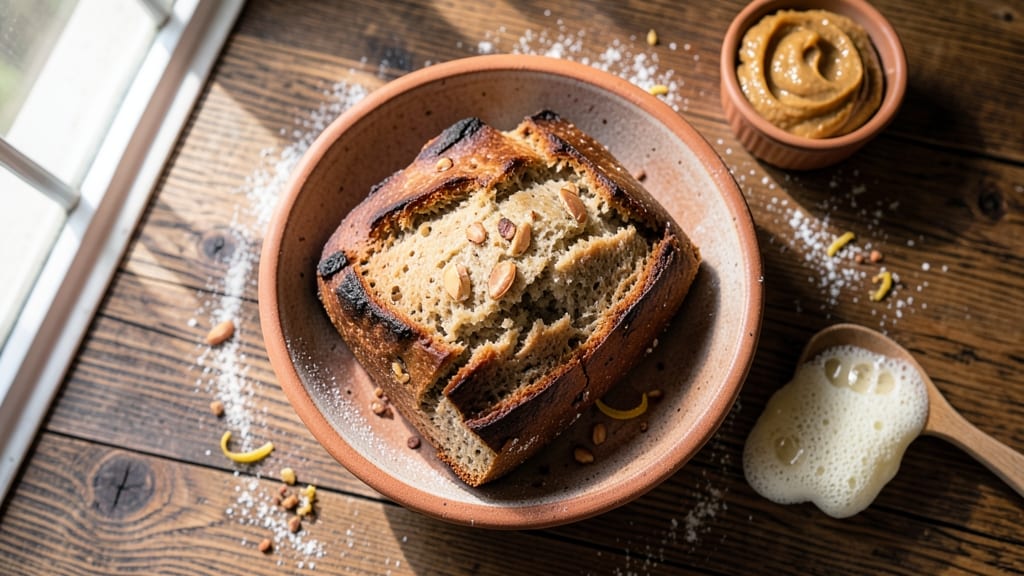
This almond pulp bread recipe delivers a moist, dairy-free loaf that surprises with its tender crumb and subtle nutty flavor—perfect for sandwiches or toast. The secret lies in almond pulp, a byproduct of almond milk production that adds natural moisture and richness without dairy.
I developed this recipe after realizing how versatile and nutrient-dense almond pulp could be, transforming it into a bread that’s both satisfying and allergy-friendly.
What makes this recipe stand out is its simple yet foolproof method, requiring no special equipment beyond a mixing bowl and oven. The almond pulp replaces traditional fats, creating a bread that’s lighter than expected while still holding its shape beautifully.
For best results, use freshly pressed almond pulp (available at health food stores or online) for maximum flavor and texture. The baking process ensures a golden crust with a soft, even interior—no dense or crumbly disappointments here.
The benefits of almond pulp extend beyond flavor: it’s packed with protein, fiber, and healthy fats, making this bread a nutritious upgrade over conventional loaves. Whether you’re avoiding dairy, gluten, or simply looking for a unique twist on classic bread, this recipe delivers.
The versatile dough can be shaped into a classic loaf, rolls, or even dinner rolls, adapting effortlessly to your needs.
Once baked, this bread stays fresh for days when stored properly, making it ideal for meal prep. The subtle almond notes pair well with sweet or savory toppings, from jam to avocado.
Ready to bake a loaf that’s as good for you as it is delicious? Let’s get started with the full recipe and tips for perfect results every time.
Ingredients for almond pulp bread
Fresh almond pulp and simple pantry staples create this ultra-moist, dairy-free bread that's surprisingly easy to make.
| Ingredient | Amount | Notes |
|---|---|---|
| Almond Pulp 🌰 | 1 ½ cups | Freshly pressed, from almond milk production |
| All-Purpose Flour 🌾 | 2 cups | Gluten-free blend if needed |
| Almond Flour 🌰 | ½ cup | Fine texture preferred |
| Granulated Sugar 🍯 | ¼ cup | Coconut sugar for refined option |
| Active Dry Yeast 🍞 | 2 ¼ tsp | Instant yeast works too |
| Warm Water 💧 | 1 cup | 110°F for yeast activation |
| Olive Oil 🫒 | ¼ cup | Extra-virgin for richness |
| Salt 🧂 | 1 tsp | Fine sea salt preferred |
| Apple Cider Vinegar 🍏 | 1 tbsp | For tangy flavor boost |
| Vanilla Extract 🌸 | 1 tsp | Pure extract only |
| Ground Flaxseed 🌾 | 1 tbsp | For egg substitute |
| Sesame Seeds 🌻 | 1 tbsp | For topping (optional) |
Almond pulp is the star here—freshly pressed from health food stores like Whole Foods or online at Nuts.com gives the best texture. If you can't find it, almond butter blended with water works in a pinch, though the flavor won't be as vibrant. The yeast needs to be fresh, so check the date on your package—King Arthur or Bob's Red Mill brands are reliable. For the flour, I always use a low-protein blend (like White Lily) for extra tenderness, but regular all-purpose works fine. The almond flour adds that nutty richness without overpowering.
No almond pulp? Extra almond butter plus 1 tbsp water mimics the moisture, though the texture will be slightly denser. Swap the sugar for maple syrup or agave if you're avoiding refined sugar, but reduce by 2 tbsp since they're sweeter. The flaxseed egg substitute is non-negotiable for binding—chia seeds work too at the same ratio. For a seed-free version, just skip it and add 1 extra tbsp flour. The sesame seeds on top? Poppy seeds or everything bagel seasoning are fun alternatives. And if you're gluten-free, use a 1:1 gluten-free flour blend—just add 1/4 tsp xanthan gum to the dry ingredients.
This dough keeps beautifully—covered in the fridge for 24 hours if you want to let it rise overnight. For best freshness, bake the same day, but you can shape and refrigerate the dough for up to 3 days before baking. The bread stays soft for 4-5 days wrapped in a clean kitchen towel, or freeze slices for up to 3 months. I love toasting it for extra crunch—the almond flavor really sings when warm. Store extra slices in an airtight container to keep them from drying out.
Why You'll Love This Recipe
- No-Fuss Dough: I swear, this bread comes together in a bowl—no stand mixer, no kneading, just a quick mix and rise. The almond pulp adds moisture without fuss, so the dough stays soft but handles like a dream.
- Nutty Sweet Crunch: That first bite? Buttery almond flavor with a subtle caramel note from the sugar, balanced by the tender crumb. Honestly, it tastes like a bakery loaf but with half the effort.
- Weeknight Wonder: Slice it for toast in the morning, pack it for lunch, or serve warm with jam at 7 p.m. sharp. Between us, I’ve even used it as a base for French toast—because why not?
- Budget-Friendly Luxe: Almond pulp is cheap at bulk stores, and the yeast stretches the dough further than you’d think. Make two loaves, freeze one, and you’ve got a pantry staple that feels gourmet without breaking the bank.
Step-by-step instructions for almond pulp bread
Creating this ultra-moist, dairy-free loaf is easier than you think—just follow these simple steps!
Activate the Yeast and Prepare the Flax Egg
In a small bowl, combine the 1 cup warm water (about 110°F), 2.25 teaspoons active dry yeast, and 1 tablespoon apple cider vinegar. Let this sit for 5-7 minutes until it becomes frothy and bubbly—this confirms your yeast is alive and ready to work. If it doesn't bubble, your yeast is dead and you'll need to start over.
In another small bowl, mix the 1 tablespoon ground flaxseed with 3 tablespoons warm water (just enough to make a gel-like consistency). Let this sit for 5 minutes while you prepare the rest. This flax "egg" replaces traditional eggs, binding the dough beautifully while keeping it moist. Stir occasionally to ensure it doesn't dry out.
Mix the Wet Ingredients for Maximum Moisture
In a large mixing bowl, combine the 1.5 cups almond pulp, 0.25 cup olive oil, 0.25 cup granulated sugar, 1 teaspoon vanilla extract, 1 teaspoon salt, and the flax egg mixture. Use a wooden spoon or your hands to mix until everything is well incorporated. The almond pulp will make this dough slightly sticky—this is normal and actually what creates that incredible moist texture.
I like to press the dough against the sides of the bowl a few times to ensure the almond pulp is fully distributed. This step is crucial because the almond pulp holds moisture like a sponge, which is what makes this bread so uniquely tender. The mixture should be smooth but still slightly thick.
Combine with Dry Ingredients and Knead
Gradually add the 2 cups all-purpose flour and 0.5 cup almond flour to the wet ingredients, mixing gently with a wooden spoon. Once combined, turn the dough out onto a lightly floured surface and knead for 5-7 minutes until smooth and elastic. You'll notice the dough is softer than traditional bread dough—this is perfect because we want to retain all that moisture.
If the dough feels too sticky, add 1 tablespoon more flour at a time until it comes together nicely. The goal is a dough that's soft but not wet—it should hold its shape when pressed gently. Real talk: don't over-knead or you'll develop too much gluten, which could make the bread denser. We want that light, airy texture with all the moisture intact.
First Rise for Perfect Texture
Shape the dough into a loaf and place it in a lightly greased 9x5-inch loaf pan. Cover the pan with a damp kitchen towel and let it rise in a warm place for 1-1.5 hours, or until it has doubled in size. The dough should feel springy when pressed gently with a fingertip—this is your signal that it's ready for the oven.
Here's the thing—almond pulp bread rises differently than traditional bread. It won't get quite as puffy, but that's okay because we're prioritizing moisture over height. If your kitchen is cold, place the pan near a warm spot (like the top of your fridge with the light on) to help it rise properly. Patience is key here—rushing the rise can result in a dense loaf.
Bake to Golden Perfection
Preheat your oven to 350°F. Once the dough has risen, brush the top lightly with water and sprinkle the 1 tablespoon sesame seeds evenly over the surface. Bake for 45-50 minutes until the top is golden brown and the internal temperature reaches 190°F when measured with an instant-read thermometer. The bread should pull away slightly from the sides of the pan.
Don't be tempted to open the oven door before the 45-minute mark—the sudden temperature change can cause the bread to collapse. When you take it out, let it cool in the pan for 10 minutes before transferring to a wire rack. This resting period helps the bread set properly and prevents it from falling apart when you slice it. The result should be a moist, slightly dense loaf with a beautiful golden crust and those delicious sesame seeds on top.
Pro Tips For Making Almond Pulp Bread
- Bloom the Yeast Right: Skip the guesswork—mix your yeast with warm water (105–110°F) and a pinch of granulated sugar first, then wait exactly 5–10 minutes until it’s frothy before adding it to the dough. Cold water kills it; hot water cooks it. I’ve ruined batches by rushing this, and your bread won’t rise without it.
- Pulse Almond Pulp Twice: Blend the almond pulp before adding liquids—run it through the food processor in 30-second bursts, scraping the sides between pulses. This keeps the texture even and prevents gummy spots. I learned this the hard way when my first batch turned into a dense brick.
- Sift Almond Flour First: Measure almond flour by weight, then sift it directly into your mixing bowl to break up clumps. Unsifted almond flour packs unevenly, throwing off the ratio with all-purpose flour and making the dough dry or crumbly. Trust me, your bread’s crumb will thank you.
- Proof at Room Temp: Let the dough rise in a warm spot (75–80°F) for at least 1.5 hours—no oven trickery needed. A cold kitchen slows yeast, and skipping this step means a dense, flat loaf. I used to proof it too fast, and the flavor never developed properly. Patience here makes all the difference.
Storing and reheating your leftovers
Room-Temp Storage
Keep your almond pulp bread at room temperature for up to 2 days in an airtight container or wrapped tightly in a kitchen towel. The towel helps maintain moisture better than plastic—just like a bakery would!
I store mine on the counter in a canvas bread bag for that artisanal touch. The almond pulp keeps the bread moist longer than traditional loaves, but it will still dry out faster than wheat-based breads. 🌰
Fridge Preservation
For longer shelf life, refrigerate your bread in an airtight container for up to 5 days. The cold slows down staling, but the almond flavor actually intensifies slightly when chilled—perfect for sandwiches!
Wrap slices in parchment paper before storing to prevent drying. I like to toast refrigerated slices for 2-3 minutes to revive their freshness. The sesame seeds stay crisp even after refrigeration.
Freezer Magic
Slice your bread before freezing for perfect individual portions. Wrap each slice in plastic wrap, then place them in a freezer bag with all the air squeezed out. This method prevents freezer burn and keeps slices crisp when toasted.
Frozen bread maintains its moisture and flavor for up to 3 months. For best results, thaw slices at room temperature for 10 minutes before toasting—no microwave needed! 🥖
Reheating Secrets
Revive stale bread with a quick toast in a toaster oven at 375°F for 3-4 minutes. For extra moisture, brush slices with water before toasting. If you prefer oven toasting, place bread on a baking sheet at 350°F for 5-7 minutes until golden.
The almond pulp makes this bread particularly forgiving—even slightly dried-out slices come back beautifully with proper reheating.
Toasting Tips
Toast your almond pulp bread in a cast iron skillet over medium heat for 1-2 minutes per side for that perfect crust. The cast iron's heat distribution creates a beautiful caramelization.
For sandwiches, lightly toast the bread first to prevent sogginess. I find the sesame seeds add a delightful crunch when toasted—this is my favorite way to enjoy this bread daily! ✨
Nutrition facts
Frequently asked questions
Can I substitute almond butter for almond pulp in this recipe?
You can use almond butter as a substitute, but the texture will differ slightly. Mix 1 cup almond butter with 1 tablespoon water to mimic the moisture of almond pulp. The bread will be denser but still delicious. For best results, use freshly pressed almond pulp if possible—it creates that signature moist crumb.
Why does my almond pulp bread turn out dense?
Density often happens from over-kneading or skipping the proper rise time. Knead just until smooth (5-7 minutes) and let the dough rise until doubled (1-1.5 hours). Also, ensure your yeast is active and your oven is fully preheated to 350°F. The almond pulp needs time to hydrate properly for that perfect texture.
How can I make this bread gluten-free?
Replace the all-purpose flour with a 1:1 gluten-free flour blend (like Bob's Red Mill) and add ¼ teaspoon xanthan gum to the dry ingredients. The almond pulp and flax egg will still provide binding, but the GF flour may require slightly more liquid. Bake at 350°F for 50-55 minutes—GF breads often need extra time.
Can I add seeds or nuts to this bread?
Fold in ½ cup chopped walnuts, pecans, or pumpkin seeds with the dry ingredients. For extra flavor, try 1 teaspoon cinnamon or cardamom. Just reduce the all-purpose flour by ¼ cup to maintain the right texture. The almond flavor will complement these additions beautifully.
What's the best way to use up extra almond pulp?
Beyond bread, try almond pulp in energy balls, smoothies, or as a thickener for vegan soups. It also makes a great base for homemade almond milk—simply blend 1 cup almond pulp with 2 cups water and strain. The pulp is packed with nutrients, so don't let it go to waste!