
Desserts
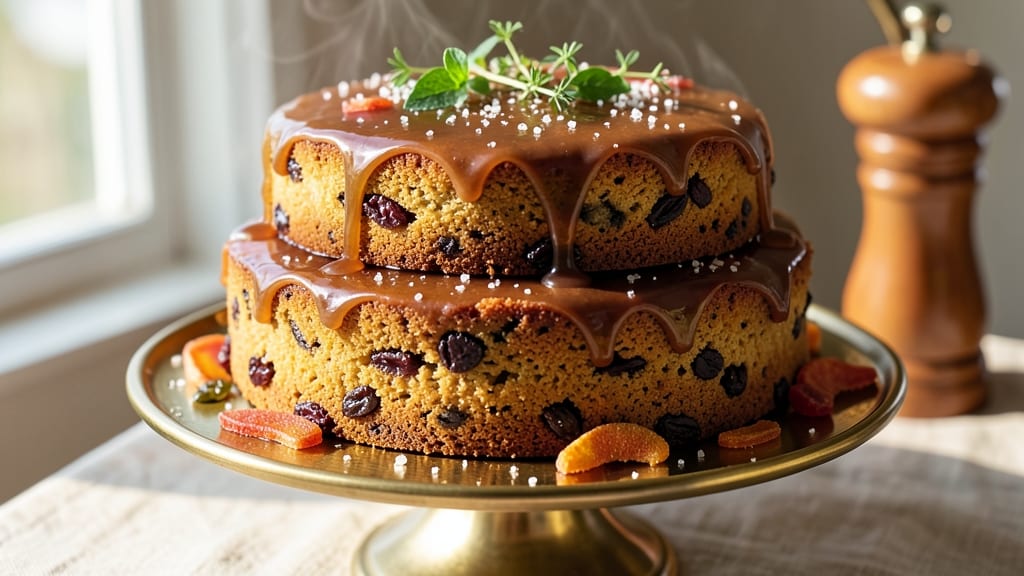
This almond flour gingerbread cake delivers all the spiced warmth of classic gingerbread with the perfect nutty moisture that keeps slices tender for days. The secret lies in almond flour's ability to create a rich, dense crumb without drying out—unlike traditional wheat flour cakes that often turn crumbly.
I developed this recipe after years of experimenting with gluten-free holiday desserts that actually taste indulgent, not like a compromise.
The cake's signature flavor comes from a balanced blend of molasses, cinnamon, ginger, and cloves, while the almond flour adds a subtle sweetness and luxurious texture.
Unlike many gluten-free cakes, this one holds its shape beautifully while staying moist thanks to a simple but effective combination of eggs and brown sugar. The spices are toasted briefly in the dry ingredients to deepen their aroma—this step alone transforms ordinary gingerbread into something truly special.
What you'll end up with is a cake that's perfectly spiced, richly moist, and sturdy enough to slice cleanly without crumbling. The nutty undertones from the almond flour complement the warm gingerbread flavors beautifully, creating a dessert that feels both comforting and sophisticated.
It bakes in just 45 minutes and keeps well for up to a week, making it ideal for holiday gatherings or last-minute dessert needs.
For an extra touch, I recommend brushing the warm cake with a simple glaze made from powdered sugar and almond milk—it adds a professional finish without overpowering the natural flavors. The recipe is naturally vegetarian and can easily be adapted to vegan with a few simple substitutions. Let's get baking!
Ingredients for almond flour gingerbread cake
Twelve ingredients transform into a moist, spiced cake with almond flour's signature richness.
| Ingredient | Amount | Notes |
|---|---|---|
| Almond Flour 🌰 | 2 ½ cups | Finely ground, unsweetened |
| Large Eggs 🥚 | 4 whole | Room temperature for even mixing |
| Unsalted Butter 🧈 | 1 cup | Cold, cubed for creaming |
| Dark Brown Sugar 🍚 | 1 ½ cups | Packed firmly for accuracy |
| Pure Molasses 🍯 | ½ cup | Unsulphured for authentic flavor |
| Vanilla Extract 🌿 | 2 tsp | Pure, high-quality preferred |
| Ground Cinnamon 🌶️ | 2 tsp | Toasted for deeper aroma |
| Ground Ginger 🌿 | 1 ½ tsp | Freshly ground preferred |
| Ground Cloves 🌶️ | ½ tsp | Whole cloves toasted and ground |
| Baking Powder 🍞 | 1 tsp | Aluminum-free for gluten-free |
| Salt 🧂 | ½ tsp | Fine sea salt preferred |
| Almond Milk 🥛 | ½ cup | Unsweetened for glaze |
| Powdered Sugar 🍚 | 1 cup | Sifted for smooth glaze |
Almond flour is the foundation here, and Bob's Red Mill or Anthony's Goods brands deliver the finest grind for optimal texture. The flour must be finely ground—any grittiness will disrupt the cake's delicate crumb. For the molasses, Grandma's or Mothers brands are ideal, offering that deep, robust flavor without added fillers. Toast your spices in a dry pan for 30 seconds before measuring—this simple step intensifies their aroma and transforms the cake from good to extraordinary. The eggs should be at room temperature to ensure even distribution throughout the dense batter.
No almond flour? Cashew flour or oat flour can substitute at the same weight, though texture will vary slightly. Substituting molasses with maple syrup reduces depth of flavor—use half the amount and add an extra teaspoon of cinnamon to compensate. For a vegan adaptation, replace eggs with flax eggs (1 tbsp ground flaxseed + 3 tbsp water per egg) and use vegan butter. The powdered sugar glaze can be made with confectioners' sugar from Domino or Dixie Crystals—just ensure it's 100% pure for the smoothest finish. If your brown sugar has hardened, microwave it for 20 seconds to soften before packing into the measuring cup.
Store the cake in an airtight container at room temperature for up to 5 days, or refrigerate for 1 week to maintain moisture. For longer storage, wrap slices in plastic wrap and freeze for up to 3 months. The glaze can be made ahead and stored in the fridge for 3 days, simply reheating gently before brushing. To prevent drying, place a slice of bread in the container with the cake—it absorbs excess moisture and keeps the cake fresh longer. This cake's dense structure makes it perfect for layering in trifles or serving with whipped cream for a truly indulgent dessert experience.
Why You'll Love This Recipe
- No Mixing Madness: I swear by this recipe—just fold the almond flour into the butter and eggs until just combined. No overworking, no gluten to tangle things up. The molasses and brown sugar do all the heavy lifting, so you’re basically done in 10 minutes flat.
- Spiced Warmth Guaranteed: That deep molasses caramelizing in the oven? Chef’s kiss. It’s not too sweet, not too spicy—just the right amount of ginger and cinnamon to make every bite feel like a hug. Honestly, the first time I made it, my roommate stole half the pan before it even cooled.
- Holiday or Weeknight Hero: Between us, this cake is my secret weapon for Thanksgiving, Christmas, or even a lazy Sunday brunch. The almond flour keeps it moist for days, so you can bake it ahead and still have slices that taste fresh. (Yes, even on a Tuesday night.)
- Budget-Friendly Luxury: Almond flour might seem fancy, but it stretches further than regular flour—this recipe feeds a crowd without breaking the bank. Plus, the butter and eggs make it feel indulgent, even though the cost per serving is shockingly reasonable. My wallet thanks me.
Step-by-step instructions for almond flour gingerbread cake
This method delivers a perfectly moist, spice-forward cake with a tender crumb and rich molasses flavor.
Cream Butter and Sugars to Lighten the Mixture
In a stand mixer fitted with the paddle attachment, beat the 1 cup unsalted butter and 1.5 cups dark brown sugar on medium speed for 3-4 minutes until light and fluffy. You'll notice the mixture nearly double in volume and become pale in color - this incorporates air that creates the cake's tender texture. Scrape down the sides of the bowl with a rubber spatula to ensure even mixing.
The reason we pack the brown sugar firmly is to maintain accurate measurements - loosely packed sugar would give you less volume. This step is crucial for achieving the right balance of moisture and structure in our almond flour-based cake. I press the sugar into the measuring cup and level it off with a knife for precision.
Incorporate Wet Ingredients and Molasses
Add the 4 whole large eggs, one at a time, mixing well after each addition until fully incorporated. Then add the 0.5 cup pure molasses and 2 teaspoons vanilla extract, mixing just until combined. The molasses adds deep, caramel-like flavor while keeping the cake moist - don't be tempted to reduce the amount, as this is what gives gingerbread its signature taste.
Here's the thing - molasses is thick, so I recommend using a small spatula to scrape the bottom of the measuring cup to get every last drop. The mixture will appear slightly curdled after adding the eggs, but this will resolve once we incorporate the dry ingredients. I like to mix on low speed at this stage to prevent over-aeration that could make the cake too light.
Combine Dry Ingredients and Fold Gently
In a separate bowl, whisk together the 2.5 cups almond flour, 2 teaspoons ground cinnamon, 1.5 teaspoons ground ginger, 0.5 teaspoon ground cloves, 1 teaspoon baking powder, and 0.5 teaspoon salt. Sift the powdered sugar separately to prevent clumping. Gradually add the dry ingredients to the wet mixture, mixing on low speed just until combined - you should still see small streaks of flour. Overmixing develops gluten in the almond flour, which can make the cake dense.
I fold in the spices using a silicone spatula at this stage to ensure even distribution. The warm spices need to be incorporated thoroughly for that authentic gingerbread flavor. The batter will be thick but should hold together when spooned - if it's too loose, we'll need to add a bit more almond flour to compensate for any moisture variations in our ingredients.
Prepare and Bake the Cake
Preheat your oven to 350°F and grease an 8-inch round cake pan thoroughly with butter, then dust with almond flour. Pour the batter into the prepared pan and smooth the top with a spatula. Bake for 35-40 minutes until a toothpick inserted in the center comes out clean. The edges should be pulling away slightly from the pan, and the top should be golden brown but not overly dark.
Real talk - almond flour cakes can dry out quickly, so I recommend checking at the 30-minute mark. The cake is done when it springs back slowly when touched, not when it's firm. If the top browns too quickly, tent the pan with foil to prevent over-browning while allowing the center to finish cooking.
Glaze and Serve Warm
While the cake is still warm, whisk together the 1 cup powdered sugar and 0.5 cup almond milk until smooth. Pour the glaze over the warm cake and let it soak in for 5 minutes. The warm cake helps the glaze adhere beautifully and creates that classic gingerbread finish. For extra shine, I like to drizzle any remaining glaze over the top after it's set.
Serve immediately while still warm for the best texture and flavor. The cake should have a moist, tender crumb with visible flecks of spice throughout. Each slice delivers that perfect balance of sweet molasses flavor, warm gingerbread spices, and the subtle nutty richness from the almond flour. Store leftovers covered at room temperature for up to 3 days, though I doubt they'll last that long!
Pro Tips For Making Almond Flour Gingerbread Cake
- Whisk Eggs Cold: I learned this the hard way—whisking eggs straight from the fridge into the warm butter mixture makes them curdle. Pull eggs out 10 minutes before mixing, then whisk them just until blended with the butter. Over-whisking adds air that collapses later, leaving a dense cake.
- Toast Almond Flour First: Skipping this step is why your cake might taste bland or dry. Pulse almond flour in a food processor for 30 seconds, then spread it on a baking sheet and toast at 350°F (175°C) for 5–7 minutes until it smells nutty. This deepens flavor and prevents grittiness.
- Measure Molasses Precisely: Molasses is thick and sticky—don’t eyeball it. Use a scale or a spoon that’s been dipped in hot water to scoop it out of the jar. Too much makes the cake cloying; too little weakens the spice character. Aim for ¼ cup max for a standard recipe.
- Don’t Overmix the Batter: Almond flour batters are forgiving, but folding in the dry ingredients too vigorously incorporates excess air, leading to a cake that sinks in the middle. Mix just until combined—lumps are fine. A spatula’s gentle swirl works better than a mixer’s enthusiasm.
Serving suggestions for this dish
Classic Holiday Pairings
This almond flour gingerbread cake shines during the holidays, especially with a cup of spiced chai tea or hot apple cider. The warm spices in the cake complement the cinnamon and cardamom in chai beautifully.
I love serving it with a scoop of vanilla bean ice cream—the contrast of cold and warm makes every bite magical. 🌟
Coffee and Cream Pairings
For a cozy afternoon treat, pair slices with a dark roast coffee and a dollop of whipped cream. The nutty undertones in the cake enhance the coffee's richness, while the cream adds a luxurious finish.
If you prefer tea, an earl grey with its bergamot notes creates an unexpected but delightful flavor combination that balances the cake's sweetness.
Seasonal Fruit Accents
Add fresh cranberries or orange slices on top for a festive touch. The tartness of cranberries cuts through the cake's richness, while orange zest adds a bright citrus note that complements the gingerbread spices.
I also love serving it with a small bowl of whipped cream for guests to add as desired—it's always a crowd-pleaser. 🍊
Garnishes for Extra Flavor
Dust the top with a light layer of powdered sugar or sprinkle with toasted almond slivers for added texture. A drizzle of dark chocolate ganache elevates the dessert to restaurant-quality.
For a festive presentation, arrange slices on a platter with candied pecans scattered around—it looks stunning and tastes even better. 🎄
Make-Ahead Serving Tips
This cake keeps beautifully for 3-4 days at room temperature, making it perfect for holiday gatherings. Wrap individual slices in parchment paper and tie with festive ribbon for easy serving.
For a special touch, place a small gingerbread cookie on each plate alongside a slice—it's a nostalgic combo that guests will love. 💛
Nutrition facts
Frequently asked questions
Why does almond flour make this cake denser than traditional gingerbread?
Almond flour has a higher fat content and absorbs more liquid than wheat flour, creating a richer, denser texture. The lack of gluten also prevents the cake from rising dramatically, which is why we rely on proper creaming and gentle mixing to maintain moisture. This results in a tender crumb that stays moist for days—unlike many gluten-free cakes that dry out quickly.
Can I make this cake without eggs for a vegan version?
Yes! Replace each egg with 1 tbsp ground flaxseed + 3 tbsp water, mixed and rested for 5 minutes to thicken. Use vegan butter and almond milk for the glaze, and ensure your molasses is vegan-certified. The texture will be slightly denser but still delicious—just check for doneness 5 minutes earlier than specified.
What's the best way to store leftovers to keep them moist?
Wrap the cake tightly in plastic wrap or store in an airtight container with a slice of bread to absorb excess moisture. Reheat slices in a 350°F oven for 3-5 minutes—this restores freshness better than microwaving. The cake keeps well for 5 days at room temperature or 1 week refrigerated. For longer storage, freeze slices wrapped in parchment for up to 3 months.
Can I substitute almond flour with another gluten-free flour?
While cashew flour or oat flour work in a pinch, they alter texture and flavor. Cashew flour adds richness but may make the cake slightly heavier, while oat flour can make it grittier. If substituting, reduce other liquids by 2 tablespoons—almond flour absorbs more moisture. For best results, stick with almond flour for that signature tender crumb.
Why did my cake turn out dry or crumbly?
Overbaking or using old almond flour are common culprits. Check for doneness at 30 minutes—almond flour cakes finish cooking after removal. Use freshly ground almond flour (stored in the fridge) and avoid overmixing. If the batter seems too dry, add 1 tablespoon almond milk—this helps balance the texture without compromising structure.