
Side Dishes
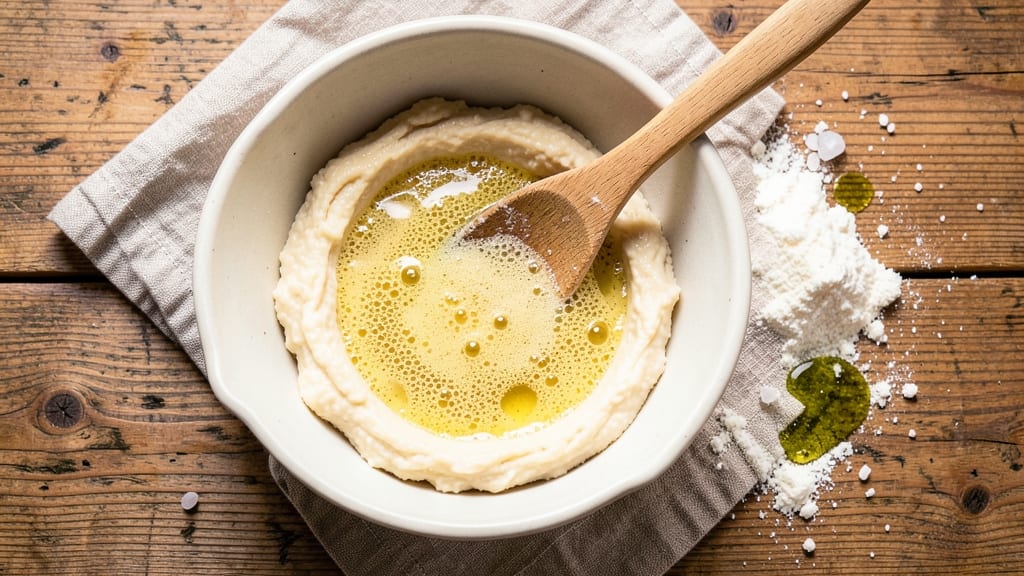
This all-purpose bread dough recipe transforms your kitchen into a bakery with just five simple ingredients and 30 minutes of active time. The secret lies in proper kneading and proofing—techniques that create a dough so versatile it works for sandwich loaves, dinner rolls, or even pizza crusts.
I've baked with this recipe for years, and it never fails to deliver perfectly textured, flavorful bread every time.
What sets this dough apart is its balance of simplicity and adaptability. You won't need fancy equipment or specialized ingredients—just flour, yeast, sugar, salt, and warm water. The kneading process develops gluten for that signature chewy texture, while controlled proofing ensures light, airy results.
Whether you're a beginner or an experienced baker, this method builds confidence with predictable results.
Once mixed, this dough yields enough for multiple uses—think crusty sandwich bread, fluffy dinner rolls, or even garlic knots. The dough keeps well in the fridge for up to 48 hours, so you can prep ahead for busy days.
With just a few adjustments, you can transform this base into sweet brioche or hearty sourdough-style loaves, making it the ultimate baking foundation.
Perfect for meal prep or last-minute baking needs, this dough proves homemade bread doesn't require complicated techniques. Let's get started on creating your baking masterpiece—your kitchen will smell like fresh-baked heaven in no time.
Ingredients for all purpose bread dough
Five simple ingredients transform your kitchen into a bakery in under 30 minutes.
| Ingredient | Amount | Notes |
|---|---|---|
| All-Purpose Flour 🌾 | 3 ½ cups | Sifted for even texture |
| Active Dry Yeast 🍞 | 2 ¼ tsp | Fresh yeast preferred |
| Granulated Sugar 🍚 | 1 tbsp | White or brown sugar |
| Salt 🧂 | 1 tsp | Diamond Crystal preferred |
| Warm Water 💧 | 1 ¼ cups | 110°F for optimal yeast activation |
| Olive Oil 🫒 | 1 tbsp | Extra-virgin for richness |
| Cornmeal 🌽 | ¼ cup | For dusting work surface |
The flour is the foundation—King Arthur or Gold Medal brands deliver the best texture, but any all-purpose works in a pinch. Yeast matters here: Bob's Red Mill active dry yeast is my go-to, but check the expiration date—old yeast won't activate properly. Warm water should feel like bathwater (110°F)—too hot kills the yeast, too cold makes it sluggish. For the oil, extra-virgin olive oil adds subtle flavor, but any neutral oil works. If you're using a stand mixer, make sure your bowl is clean and dry—oil residue can interfere with gluten development.
No yeast? Instant yeast at half the amount works too, but don't mix them up. Short on sugar? A pinch of honey or maple syrup gets you close. The salt can be omitted if you're sensitive to sodium, but trust me on keeping it—it regulates yeast activity and enhances flavor. Cornmeal isn't critical, but it prevents sticking when shaping your dough. No cornmeal? Semolina or rice flour are great substitutes. For a lighter dough, add an extra tablespoon of oil, but be prepared for a slightly denser result.
This dough keeps beautifully—wrap it tightly in plastic and refrigerate for up to 48 hours. For longer storage, freeze portions for 3 months. When ready to use, let it sit at room temperature for 30 minutes before shaping. The dough doubles in size during proofing, so don't be alarmed if it looks massive. For best results, proof in a warm spot (like a turned-off oven with a bowl of hot water inside). Once baked, store leftovers in an airtight container for 3 days at room temperature.
Why You'll Love This Recipe
- Pantry Staples Only: I swear by this dough because it uses what’s already in my cupboard—no specialty flours or pricey add-ins. Five ingredients, one bowl, and you’re golden.
- Soft Gold Standard: That warm, pillowy crumb? It’s the yeast and sugar working their magic together—just enough sweetness to balance the salt, so every bite feels like a hug.
- Bread for Any Day: Need sandwiches Monday, garlic knots Wednesday, or dinner rolls Sunday? This dough handles it all without extra fuss. Honestly, I’ve even thrown it in a slow cooker for bread pudding.
- Budget Bread Magic: A single batch stretches across meals, freezes like a dream, and costs pennies per serving. Between us, this is how I feed my family for less than takeout.
Step-by-step instructions for all-purpose bread dough
This versatile dough forms the foundation for everything from crusty loaves to dinner rolls.
Activate the Yeast with Warm Water and Sugar
In a small bowl, combine the 1.25 cups warm water (about 110°F) with the 1 tbsp granulated sugar and 2.25 tsp active dry yeast. Let it sit for 5-10 minutes until the mixture becomes frothy and bubbly—this confirms the yeast is alive and ready to work. If it doesn't bubble, your yeast may be dead, and you'll need to start over with fresh yeast.
I always test the water temperature first by dipping my finger in—it should feel warm but not hot to the touch. Yeast activates best between 105-115°F. If your kitchen is cold, you might need to warm the water slightly longer. This step is crucial for developing proper gluten structure later.
Mix the Dough Ingredients Until Combined
In the bowl of a stand mixer fitted with the dough hook attachment, combine the 3.5 cups all-purpose flour, 1 tsp salt, and the yeast-water mixture. Add the 1 tbsp olive oil and mix on low speed for 2-3 minutes until a shaggy dough begins to form. The dough will look dry and crumbly at first—this is normal.
If the dough sticks to your hands or the bowl, that's a good sign you're on the right track. I like to scrape down the sides of the bowl every 30 seconds to ensure everything incorporates evenly. This initial mixing stage is where the gluten begins to develop, setting the stage for that perfect chewy texture in your finished bread.
Knead the Dough Until Smooth and Elastic
Increase the mixer speed to medium and knead the dough for 5-7 minutes until it becomes smooth, elastic, and slightly tacky. You'll know it's ready when it forms a windowpane—poke your finger through the dough and gently stretch it; if it creates a thin, translucent membrane without tearing, you've reached the perfect consistency.
If the dough feels too sticky to handle, add 1-2 tablespoons more of the 3.5 cups all-purpose flour gradually until it comes together cleanly. Conversely, if it's too dry, add 1 teaspoon of the 1.25 cups warm water to help it bind. This kneading process develops the gluten network that gives bread its structure and chewiness.
First Rise Until Doubled in Size
Lightly oil a large bowl, place the dough inside, and cover it with a clean kitchen towel or plastic wrap. Let it rise in a warm, draft-free place for 1-2 hours until it has doubled in size. You'll see bubbles forming on the surface and the dough will feel light and airy when pressed gently with your finger.
I like to place the bowl near a slightly warm oven with the light on—this creates a perfect rising environment. Avoid direct sunlight or cold drafts, as these can affect the yeast's activity. The dough should rise to about 1.5-2 times its original volume. If it rises too quickly, it may collapse later, so monitor it closely during this stage.
Shape and Prepare for Final Rise
Punch down the risen dough to release any large air bubbles, then turn it out onto a surface lightly dusted with 0.25 cup cornmeal. Shape the dough into your desired form—whether it's a loaf, rolls, or braided loaves—using the cornmeal to prevent sticking. Cover again and let it rise for another 30-60 minutes until it puffs up slightly.
This second rise allows the dough to relax after shaping, which helps maintain its form during baking. For best results, preheat your oven to 375°F while the dough rises. The final shape and size will determine your baking time, so adjust accordingly. Whether you're making a classic boules or dinner rolls, this dough is your canvas for endless homemade creations.
Pro Tips For Making All Purpose Bread Dough
- Bloom the Yeast First: Skip mixing yeast into dry flour—dissolve it in warm water with sugar first, then let it sit for 5 minutes until frothy. I learned this the hard way when my dough took forever to rise because the yeast was hiding in the flour instead of getting a head start.
- Measure Flour Right: Use the spoon-and-sweep method: spoon flour into the cup, then level it off with a knife. Packing flour into the cup adds too much moisture, and skipping this step makes your dough gummy. (Yes, even if you’re impatient like me.)
- Don’t Over-Knead: Stop when the dough springs back slowly after poking it—about 8-10 minutes by hand. Overworking it develops too much gluten, and your bread turns out tough. I used to think more kneading = better bread, but that’s a myth.
- Use a Thermometer for Water: Warm water should hit 105–110°F—any hotter kills the yeast. I was skeptical until I tried it: my dough now rises reliably, and my bread has that perfect airy crumb. (No, your wrist isn’t a reliable gauge.)
Serving suggestions for all purpose bread dough
Classic Sandwich Bread
Shape your dough into a 9x5-inch loaf pan, greased lightly with butter or oil. Bake at 375°F for 25-30 minutes until golden brown and the internal temperature reaches 190°F.
This yields a crusty exterior with a tender interior—perfect for BLTs, grilled cheese, or turkey sandwiches. I love slicing it thin for ultimate buttery texture. 🍞
Fluffy Dinner Rolls
Divide the dough into 12 equal pieces and roll each into a ball. Arrange them in a 9x13-inch baking pan, cover, and let rise for 45-60 minutes.
Bake at 375°F for 15-20 minutes until golden. Brush with melted butter while warm for extra richness. These rolls pair perfectly with roasted chicken or beef stews.
Pizza Crust
Roll the dough into a 12-inch circle on a baking sheet or pizza stone. Pre-bake for 5-7 minutes at 425°F to create a crispy base. Top with sauce, cheese, and toppings, then bake for another 10-12 minutes.
For extra flavor, sprinkle Italian seasoning on the dough before adding toppings. This crust holds up beautifully to thick toppings like pepperoni and sausage.
Garlic Knots
Divide the dough into 16 small pieces and shape into ropes. Twist each rope into a knot and place on a baking sheet. Brush with melted butter mixed with 1 tsp minced garlic and ½ tsp dried parsley.
Bake at 375°F for 12-15 minutes until golden. These knots are perfect for dipping in marinara sauce or melted mozzarella.
Cinnamon Rolls
Roll the dough into a 12x18-inch rectangle and spread with a mixture of ½ cup softened butter, ½ cup brown sugar, and 2 tsp cinnamon. Roll tightly, slice into 12 pieces, and place in a 9x13-inch pan.
Bake at 350°F for 25-30 minutes. Drizzle with cream cheese frosting for the ultimate sweet treat. 💛
Storage and Presentation
Store baked goods in airtight containers at room temperature for up to 3 days. For longer storage, freeze shaped dough in plastic wrap for up to 3 monthspowdered sugar or sprinkle with flaky sea salt for a gourmet touch.
Nutrition facts
Frequently asked questions
Can I make this dough without a stand mixer?
By hand, knead the dough on a lightly floured surface for 8-10 minutes until smooth and elastic. Press your finger into the dough—if it springs back slowly, it's ready. The extra effort develops gluten just as effectively as a mixer. Work in short bursts to avoid overheating your hands.
Why did my dough collapse after shaping?
This usually happens when the dough rises too quickly or is overproofed. Try these fixes: Use a slightly cooler environment (75°F instead of 80°F) for rising, or reduce yeast by 0.5 tsp. Punch down the dough halfway through the first rise if it doubles too fast. For future batches, monitor the dough closely—it should puff up gently, not balloon dramatically.
How do I know when the dough is fully kneaded?
Perform the windowpane test: Poke your finger through the dough and gently stretch the sides. If it forms a thin, translucent membrane without tearing, you've reached perfect consistency. This typically takes 5-7 minutes in a mixer or 8-10 minutes by hand. The dough should feel smooth, slightly tacky, and spring back slowly when pressed.
Can I add herbs or cheese to this dough?
Yes! For savory variations, fold in 1-2 tablespoons of chopped herbs (like rosemary or thyme) or ½ cup shredded cheese (Parmesan or mozzarella work well) during the final kneading stage. Reduce flour slightly if the dough becomes too sticky. Cheese adds richness but may shorten shelf life—consume within 2 days for best texture.