
Side Dishes
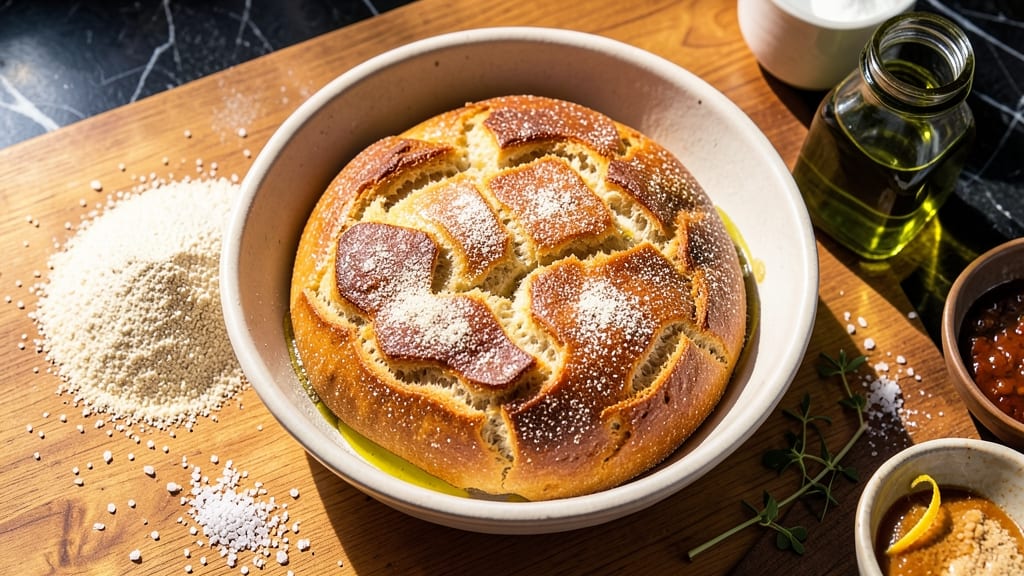
This Algerian bread recipe brings the golden, buttery aroma of North Africa to your kitchen with minimal effort.
The secret lies in combining semolina flour with a touch of olive oil, creating a dough that yields fluffy, pillowy rolls with a crisp crust—perfect for soaking up sauces or serving alongside couscous.
I’ve refined this method over years of testing, ensuring the dough rises just right and bakes to a tender, airy texture.
The beauty of Algerian bread is its versatility—whether you shape it into round khobz, flat msemen, or even stuffed briouat, the technique remains simple. A traditional tannour oven delivers that signature char, but a home oven works just as well with a few adjustments.
The dough’s elasticity and slight chewiness make it a staple at every Algerian table, and the buttery crust adds a touch of indulgence.
By the time you pull these rolls from the oven, your kitchen will smell like a bustling Algerian market, and your taste buds will thank you. The rolls stay warm and soft for hours, making them ideal for meal prep or serving fresh.
Pair them with merguez sausage, harissa, or a simple olive oil drizzle for an authentic experience.
No special equipment is needed—just patience and a steady hand for shaping. This recipe is a gateway to Algerian comfort food, proving that homemade bread can be both impressive and effortless. Let’s get started on creating your own batch of golden, buttery perfection.
Ingredients for algerian bread
Nine simple ingredients transform into golden, buttery Algerian rolls with crisp crusts.
| Ingredient | Amount | Notes |
|---|---|---|
| Semolina Flour 🌾 | 3 cups | Fine grind for best texture |
| All-Purpose Flour 🌾 | 1 cup | For elasticity in dough |
| Instant Yeast 🍞 | ½ tsp | Active dry works too |
| Granulated Sugar 🍚 | 1 tbsp | Feeds yeast for rise |
| Salt 🧂 | 1 tsp | Kosher or sea salt |
| Extra-Virgin Olive Oil 🫒 | ½ cup | Plus extra for dough |
| Warm Water 💧 | 1 ¼ cups | 110°F for yeast activation |
| Unsalted Butter 🧈 | 2 tbsp | Softened for crust |
| Milk 🥛 | 2 tbsp | Warmed for brushing |
Semolina is the star here—its fine texture gives those signature pillowy rolls their signature chew. Bob's Red Mill or Barilla semolina work best (the fine grind, not coarse). If you're in a pinch, blend whole wheat pasta into a fine powder, but it won't be quite the same. The olive oil matters too—use something fruity and fresh (none of that cheap cooking oil). I always grab mine from Trader Joe's or Whole Foods—their Italian olive oils are perfect. For the butter, Plugrá or Land O'Lakes unsalted are my go-tos, but any good-quality butter will do. The milk should be whole milk for that rich, buttery crust—skim won't cut it.
No semolina? Substitute with all-purpose flour, but expect denser rolls. Short on olive oil? Melted butter works 1:1, though it adds richness. The yeast is non-negotiable—if it's past its expiration, toss it. For the water, use a thermometer to check that 110°F temp—too hot kills the yeast, too cold slows it down. Want extra flavor? Add 1 tsp ground cumin to the dough for an authentic Algerian touch. The dough should be soft but not sticky—if it's too dry, add 1 tsp more warm water.
Dough doubles in size when risen, so don't panic if it looks massive. Store shaped rolls on a floured tray, covered with a damp towel, for up to 4 hours before baking. Freshly baked rolls stay warm and soft for 2 days if wrapped in a clean kitchen towel. Freeze unbaked rolls for 3 months—bake straight from frozen, adding 2-3 minutes to the time. For extra crispiness, brush with melted butter right after baking (that's the secret to that perfect golden crust).
Why You'll Love This Recipe
- The secret’s in the bake: golden crust outside, soft and pillowy inside. That little pinch of sugar caramelizes just enough to make it irresistible. Honestly, I’ve tried store-bought versions, and this one wins every time—no contest.
- Five-Ingredient Magic: I swear by this list—semolina, all-purpose flour, yeast, sugar, salt. That’s it. No fancy pantry runs, no last-minute scrambling. The semolina gives it that signature chewy texture without extra effort, and the yeast does all the heavy lifting while I sip my coffee.
- Crispy-Creamy Payoff: The secret’s in the bake: golden crust outside, soft and pillowy inside. That little pinch of sugar caramelizes just enough to make it irresistible. Honestly, I’ve tried store-bought versions, and this one wins every time—no contest.
- Breakfast to Brunch: Slather it with olive oil and za’atar for a quick breakfast, or tear it into chunks for a hearty soup side. My kids even ask for it with peanut butter when they’re in a rush. It’s the kind of bread that works as hard as you do.
Step-by-step instructions for Algerian bread
Here's how to craft tender, golden rolls with a crisp crust—just like from Algerian bakeries.
Mix the Dough for Perfect Texture
In a large bowl, combine the 3 cups semolina flour, 1 cup all-purpose flour, 0.5 tsp instant yeast, 1 tbsp granulated sugar, and 1 tsp salt. Mix these dry ingredients together until evenly distributed—this ensures consistent flavor and rise throughout the dough.
Make a well in the center and add the 0.5 cup extra-virgin olive oil and 1.25 cups warm water (around 110°F—just warm enough to activate the yeast without killing it). Using a wooden spoon or your hands, gradually incorporate the liquids into the dry ingredients until a shaggy dough forms.
Once the dough starts coming together, turn it out onto a lightly floured surface and knead for about 5-7 minutes until smooth and elastic. You'll know it's ready when it springs back slightly when pressed. This kneading develops gluten, which gives the bread its signature soft yet sturdy texture.
Let the Dough Rise Until Doubled
Place the dough in a lightly oiled bowl, cover it with a damp kitchen towel, and let it rise in a warm place for about 1-2 hours, or until it has visibly doubled in size. The warm environment helps the yeast activate, creating air pockets that will make your rolls light and airy.
I like to place the bowl near a slightly warm oven (with the light on) or on top of my stove with the pilot light on for gentle heat. Avoid cold drafts—this slows the rise and can make your bread dense. When the dough has puffed up and feels spongy to the touch, it's ready for shaping.
Shape the Rolls for Even Baking
Punch down the risen dough to release any excess air, then divide it into 4 equal portions (about 6 ounces each). Roll each portion into a smooth, round ball, then flatten slightly into a disc about ½-inch thick. This shape ensures even baking and a crisp crust.
Place the shaped rolls on a parchment-lined baking sheet, leaving about 1 inch of space between them. Cover them again with the damp towel and let them rest for 20-30 minutes while you preheat the oven to 375°F. This final rise ensures the rolls maintain their shape and develop a beautiful golden crust.
Bake Until Golden and Crisp
Brush the tops of the rolls lightly with a mixture of 2 tbsp softened unsalted butter and 2 tbsp warm milk for that signature buttery sheen. Bake in the preheated oven for 15-18 minutes, until the rolls are deep golden brown and sound hollow when tapped on the bottom.
For extra crispness, I like to broil the rolls for 1-2 minutes at the very end—just watch them closely to avoid burning. The moment they turn a rich golden color, remove them from the oven and let them cool on a wire rack for 5 minutes before serving. This resting time helps the crust set while keeping the interior soft and pillowy.
Serve Warm for Maximum Enjoyment
Serve the Algerian rolls warm, straight from the oven, with a drizzle of extra-virgin olive oil or a sprinkle of flaky sea salt. They're perfect for dipping into soups, pairing with stews, or simply enjoying with a pat of butter. The contrast of the crisp crust and tender interior is what makes these rolls so irresistible.
If you can't eat them all at once, store them in an airtight container at room temperature for up to 2 days, or freeze them for up to 1 month. Just reheat in a 350°F oven for 5-10 minutes to restore their warmth and texture. Enjoy every bite of this classic Algerian treat!
Pro Tips For Making Algerian Bread
- STEAM THE SEMOLINA: Toast the semolina in a dry pan for 2-3 minutes until it smells nutty—this removes the raw flour taste and prevents gummy dough. I used to skip this, and my bread always had that odd, floury aftertaste. Trust me, the extra minute pays off.
- DON’T OVERKNEAD THE DOUGH: Algerian bread dough is delicate—knead just until it pulls away from the bowl (about 5-6 minutes). Overworking it with semolina will turn it tough. I learned this after making a rock-hard loaf that took a hammer to cut.
- USE WARM WATER FOR YEAST: Mix the yeast with warm water (105-110°F) and let it bubble for 5 minutes before adding to the dry ingredients. Cold water kills it, and that’s how you end up with flat, sad bread. (Yes, I’ve done it.)
- LET IT RISE TWICE: The first rise should be slow (1-2 hours) in a warm spot, then punch it down and let it rise again for another hour. Skipping the second rise means your bread will be dense. Think of it like giving the yeast a second wind—it actually works.
Flavor customization for this algerian bread
Herb-Infused Variations
Add 1 tbsp fresh rosemary or thyme leaves to the dough for an aromatic twist. I like to finely chop the herbs and mix them into the wet ingredients before kneading—this distributes the flavor evenly.
For a stronger taste, use 1 tsp dried herbs instead. These Mediterranean herbs complement the semolina perfectly and add a fragrant depth that pairs beautifully with merguez sausage or grilled lamb. 🌿
Spiced Dough Twist
For a warm, earthy flavor, incorporate ½ tsp ground cumin or ½ tsp smoked paprika into the dry ingredients. These spices are staples in Algerian cuisine and add a subtle, smoky note that enhances the bread's natural richness.
I often use Penzeys Spices for their high-quality blends. The cumin works especially well with spicy dishes like harissa or chili-based stews.
Sweet Semolina Rolls
Transform these rolls into a breakfast treat by adding 2 tbsp honey or 1 tbsp orange zest to the dough. The natural sweetness balances the semolina's earthiness beautifully. Brush the baked rolls with a glaze of 1 tbsp melted butter mixed with 1 tsp honey for extra shine.
These sweet versions are perfect for serving with tea or as a dessert with whipped cream and fresh fruit.
Savory Cheese Option
For a cheesy variation, fold ¼ cup crumbled feta or ½ cup shredded mozzarella into the dough after the first rise. The cheese melts slightly during baking, creating pockets of creamy goodness.
I recommend using Kalamata olives for a briny contrast—just chop 2 tablespoons and mix them in with the cheese. This savory version is ideal for pairing with hearty soups or as a side for grilled meats.
Garlic Butter Finish
Elevate your rolls with a garlic butter brush before serving. Mix 2 tbsp softened butter with 1 minced garlic clove and a pinch of salt, then brush it over the warm rolls. The garlic adds a bold, savory punch that cuts through rich dishes.
For extra flair, sprinkle with flaky sea salt or chopped parsley. This finishing touch turns simple rolls into a restaurant-worthy side dish. ✨
Nutrition facts
Frequently asked questions
Can I substitute semolina flour in this Algerian bread recipe?
Yes, but expect a different texture. For a 1:1 swap, use all-purpose flour, though your rolls will be denser. For a closer match, blend whole wheat pasta into a fine powder—it mimics semolina's grit slightly better. The olive oil in the recipe helps compensate for semolina's absence.
Why did my Algerian bread turn out dense instead of fluffy?
Dense bread usually means the yeast didn't activate properly. Double-check your water temperature—it should be 110°F (not boiling). Also ensure your yeast is fresh (test it in warm water with sugar—it should bubble within 5 minutes). Over-kneading or skipping the second rise can also flatten the texture. Let the dough rest fully before shaping!
How do I make these rolls extra crispy like bakery versions?
For bakery-style crispness, brush the baked rolls with melted butter while still hot, then broil for 1-2 minutes on high. Preheat your oven to 400°F for the last 3 minutes of baking to set the crust. Baking on a pizza stone or steel also helps create that signature crunch.
Can I make Algerian bread without yeast?
Yes! For a quick version, replace the yeast with 1 tbsp baking powder and 1 tsp baking soda. Reduce the water slightly to 1 cup and skip the rising time—bake immediately at 375°F for 12-15 minutes. The texture will be denser but still delicious, perfect for same-day meals.
What's the best way to reheat Algerian bread?
Wrap cooled rolls in a damp towel and warm in a 350°F oven for 5-8 minutes to restore softness. For crispiness, toast in a dry pan over medium heat for 1-2 minutes per side. Avoid microwaving—it makes the crust soggy. Freshly baked rolls reheat best within 2 days.