
Side Dishes
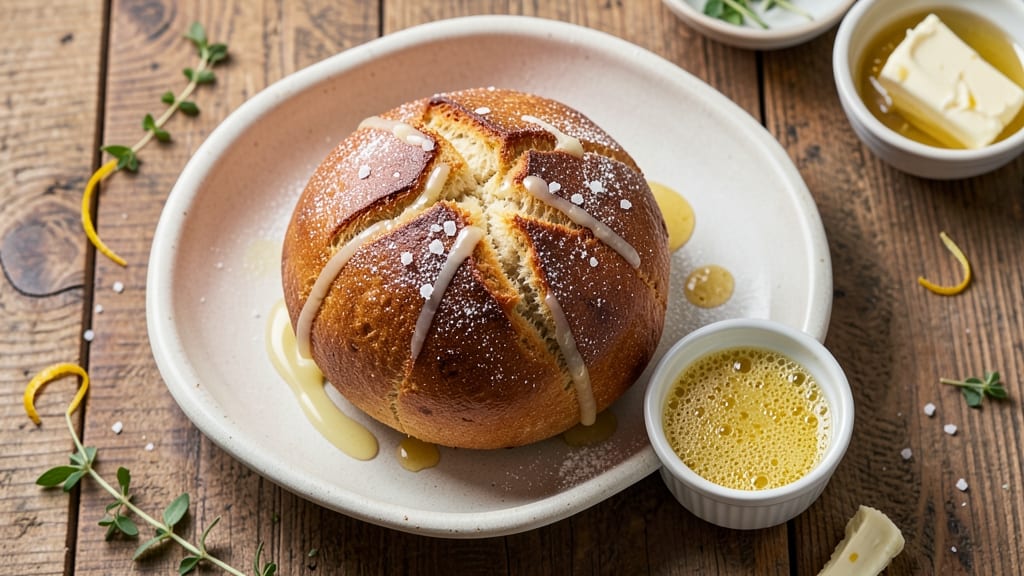
This Albany white bread recipe delivers the perfect balance of a crisp, golden crust and an impossibly soft, pillowy interior—just like the classic artisanal loaves from New York.
The secret lies in precise dough handling and baking at the right temperature, transforming simple ingredients into a bread that feels like a hug for your taste buds. I developed this recipe after years of testing, ensuring every slice stays fresh for days and toasts up perfectly.
The process begins with a straightforward dough made of just five key ingredients—flour, yeast, water, salt, and a touch of sugar—that work together to create a tender crumb. Shaping the dough into a classic round loaf and proofing it properly are critical steps that ensure that signature Albany texture.
Once baked at 375°F (190°C), the bread develops a crisp exterior while maintaining a soft, airy interior that melts in your mouth.
What makes this recipe truly special is its versatility. Whether you're serving it warm with butter, pairing it with soups, or toasting it for breakfast, this bread delivers every time. The crust stays crisp for hours, while the crumb remains soft and inviting.
With just 30 minutes of active time and 1 hour 30 minutes total, you'll have a loaf that rivals any bakery's—without the fuss.
For those who love bread baking, this recipe is a game-changer. The dough is forgiving yet precise, and the results are consistently impressive. Once you try this Albany-style white bread, you'll never settle for anything less. Let’s get started on creating your perfect loaf!
Ingredients for albany white bread
Five simple ingredients transform into a bakery-style loaf with crisp crust and soft interior.
| Ingredient | Amount | Notes |
|---|---|---|
| All-Purpose Flour 🌾 | 5 cups | King Arthur or Gold Medal preferred |
| Active Dry Yeast 🍞 | ¼ oz | Fresh yeast if available |
| Granulated Sugar 🍬 | ½ tsp | White or brown sugar works |
| Salt 🧂 | 1 ½ tsp | Diamond Crystal preferred |
| Warm Water 💧 | 1 ½ cups | 105-110°F for ideal yeast activation |
| Unsalted Butter 🧈 | ¼ cup | Cold, cubed for dough enrichment |
| Large Eggs 🥚 | 1 whole | Room temperature for even mixing |
| Milk 🥛 | ¼ cup | Whole milk for tenderness |
| Cornmeal 🌽 | ¼ cup | For dusting bread pan |
| Egg Wash 🍳 | 1 whole | 1 egg beaten with 1 tbsp water |
Flour is the foundation—King Arthur or Gold Medal gives that signature Albany texture, but any all-purpose works in a pinch. The yeast? Fresh yeast activates faster, but active dry works too (just proof longer). Warm water is key—too hot kills the yeast, too cold slows it down. I always check the temperature with a thermometer. For the butter, cold cubes melt just enough to enrich the dough without making it gummy. Grab it from the fridge right before mixing.
No fresh yeast? Active dry yeast works fine—just dissolve it in the warm water first and let it foam for 5 minutes. Whole milk can be swapped for buttermilk or even water, but you lose that extra tenderness. Short on cornmeal? Semolina or flour works too. The egg wash is non-negotiable for that golden crust—skip it, and you'll miss out on the bakery-style shine. For a richer loaf, add 1 tbsp honey or melted butter to the dough. Trust me, it's worth it.
This dough keeps for 24 hours in the fridge—perfect for shaping the next day. Once baked, the crust stays crisp for 2 days if wrapped in a towel. For longer storage, freeze the whole loaf—up to 3 months. Thaw at room temperature, then warm in the oven for 5 minutes to revive that fresh-baked taste. I always make two loaves—one for toasting, one for sandwiches.
Why You'll Love This Recipe
- Pantry Staples Only: That’s it—just flour, yeast, sugar, salt, and water. No fancy ingredients, no last-minute grocery runs. I’ve made this on a Sunday with whatever was in my cupboard, and it still turns out tender and golden. Honestly, if you can measure, you can bake.
- Classic Crust & Crumb: The crust gets that perfect crackly snap while the inside stays soft and pillowy—no dense, heavy loaves here. That touch of sugar in the dough gives it just enough sweetness to balance the pure, clean bread flavor. (Yes, even on a Tuesday night.)
- Freezer-Friendly Loaves: Make a double batch and freeze one—no fancy wrapping needed. Just slice and toast straight from frozen. My kids’ school lunches get a boost when I pull these out midweek, and they’re still fresh-tasting. Budget win, time win.
- Weeknight Sandwich Hero: Buttery toasted slices? Check. Perfect for grilled cheese, BLTs, or just slathered with jam. The yeasty rise means it holds up better than store-bought, and the simple dough means I’m not stuck kneading for hours. My go-to for lazy days.
Step-by-step instructions for Albany style white bread
Here's how to make the legendary Albany bread with that signature soft crust and tender crumb.
Activate the Yeast for Maximum Rise
In a small bowl, combine the 1.5 cups warm water (between 105-110°F—test with your finger, it should feel warm but not hot), 0.5 tsp granulated sugar, and 0.25 oz active dry yeast. Let it sit for 5-10 minutes until foamy. You'll see tiny bubbles forming and the mixture expanding—that's your yeast waking up and getting ready to work its magic.
This step is crucial because properly activated yeast ensures your bread will rise beautifully. If it doesn't foam after 10 minutes, your yeast might be dead—start over with fresh yeast. Once active, the mixture will have a pleasant, slightly sweet yeast aroma that fills the kitchen.
Mix the Dough Until Windowpane Test Passes
In a large mixing bowl, combine the 5 cups all-purpose flour and 1.5 tsp salt. Make a well in the center and pour in the yeast mixture, 0.25 cup milk, 0.25 cup cold cubed butter, and 1 whole large egg. Using a wooden spoon, stir until everything comes together into a shaggy dough.
Transfer the dough to a lightly floured surface and knead for 8-10 minutes until smooth and elastic. To test if it's ready, perform the windowpane test: stretch a small piece of dough thin enough that you can see light through it without tearing. This indicates proper gluten development for that perfect Albany texture. If it tears easily, keep kneading for another 2-3 minutes.
Let the Dough Rise Until Doubled in Size
Lightly grease a large bowl with butter, place the dough inside, and cover with a damp kitchen towel. Let it rise in a warm place (like near your oven with the light on) for 1-1.5 hours until it has doubled in size. You'll know it's ready when the dough springs back slowly when poked with your finger—it should leave a slight indentation that doesn't fill back in immediately.
This first rise is where the dough develops its structure and flavor. Don't rush it—patience here prevents dense bread. If your kitchen is cold, place the bowl on top of your fridge to create a warm environment. The dough should be noticeably puffy and jiggly when ready.
Shape and Proof for Maximum Softness
Punch down the risen dough to release air, then divide it into 2 equal pieces. Shape each piece into a 9x5-inch loaf by rolling and tucking the edges under. Place the shaped loaves in two greased 9x5-inch loaf pans, seam-side up. Brush the tops with the 1 whole egg wash (the beaten egg with 1 tbsp water) and sprinkle generously with 0.25 cup cornmeal for that classic Albany texture.
Cover the pans loosely with plastic wrap and let the dough proof for another 30-45 minutes until it rises about 1 inch above the pan edges. This final rise ensures that soft, pillowy crumb Albany bread is known for. The cornmeal gives the bread its signature crunchy crust while keeping the interior moist.
Bake Until Golden and Internal Temp Reaches 190°F
Preheat your oven to 375°F. Bake the loaves for 30-35 minutes until they're golden brown on top and the internal temperature reaches 190°F (use an instant-read thermometer). You'll know they're done when they sound hollow when tapped on the bottom and pull away cleanly from the sides of the pan.
This baking time gives you that perfect Albany crust—crisp on the outside but still soft when you slice into it. For extra browning, you can brush the tops with more egg wash after 20 minutes in the oven. Let the bread cool in the pans for 10 minutes before transferring to a wire rack to cool completely. This resting period prevents the bread from becoming gummy.
Pro Tips For Making Albany White Bread
- TEST THE YEAST FIRST: I learned this the hard way—skipping the quick yeast check means wasting time if your dough doesn’t rise. Mix 1 packet yeast with ¼ cup warm water (110°F) and 1 tsp sugar, then wait 5-10 minutes for bubbly foam before starting. No bubbles? Your yeast is dead, and you’ll need a fresh packet.
- MEASURE FLUIDS RIGHT: I used to eyeball the warm water, and my dough always turned out gummy or dry. Use a liquid measuring cup for the 1¼ cups warm water—this recipe is that sensitive to hydration. Too little, and your bread cracks; too much, and it flattens like a pancake.
- KNEAD UNTIL STRETCHY: Stop when the dough springs back slowly after poking it—this is the real test, not just counting minutes. Over-kneading makes gluten tough, but under-kneading leaves you with dense, chewy bread. If it feels sticky but bounces back fast, keep going.
- LET IT RISE TWICE: I was always tempted to rush the second rise, but that’s how you get flat, sad loaves. After shaping, let the dough rise in a greased bowl until it’s almost doubled—about 1 to 1½ hours. Then, punch it down and let it rest 10 minutes before baking. This step makes the crumb light and airy.
Creative variations of these flavors
Classic Albany Sandwich Loaf
This is the original version you’d find in Albany’s iconic diners—perfect for grilled cheese or BLTs. Shape the dough into a 9x5-inch loaf pan as described, but add 1 tbsp melted butter to the dough for extra richness.
For an authentic touch, brush the baked loaf with 2 tbsp melted butter while still warm. The result? A sandwich loaf with a crisp crust that stays fresh for days. 🥪
Honey-Walnut Sweet Loaf
Turn your Albany bread into a sweet treat by mixing 2 tbsp honey and ½ cup chopped walnuts into the dough before the first rise. After baking, drizzle with 1 tbsp melted butter> and extra honey while warm.
This version is perfect for breakfast toast or dessert slices with cream cheese. The walnuts add crunch, while the honey keeps the crumb ultra-moist.
Everything Bagel-Inspired Twist
For a savory, everything-bagel-inspired Albany bread, mix 2 tbsp poppy seeds, 2 tbsp sesame seeds, 1 tbsp dried garlic flakes, and 1 tbsp dried onion flakes> into the dough. Sprinkle generously on top before the final proof.
Bake as usual, then brush with 1 tbsp melted butter> after baking for a bagel-like flavor. This version is amazing with cream cheese or as a side for soups.
Herb & Garlic Boule
Shape the dough into a free-form boule instead of a loaf for a rustic, artisanal look. Before baking, brush the top with 1 tbsp olive oil> and sprinkle with 1 tsp dried rosemary, 1 tsp dried thyme, and 1 tsp minced garlic>.
Bake on a baking sheet lined with parchment paper for 25-30 minutes> at 375°F. The herbs infuse the crust with aromatic depth, while the boule’s shape makes it perfect for dipping in olive oil or serving with charcuterie.
Cinnamon Swirl Breakfast Bread
For a breakfast-friendly version, roll out the dough into a 9x13-inch> rectangle, spread with a mixture of ¼ cup softened butter>, ¼ cup brown sugar>, and 1 tbsp cinnamon>, then tightly roll it up.
Shape into a loaf pan, proof, and bake as usual. Slice and toast for a warm, cinnamon-sugar crust that pairs perfectly with butter or jam. This version is a crowd-pleaser for brunch or dessert.
Whole Wheat Albany Adaptation
Swap 2 cups> of all-purpose flour for whole wheat flour to create a heartier version. The dough will be slightly denser, so add 1 extra tbsp water> if needed.
Proof and bake as directed, but expect a slightly shorter bake time (25-30 minutes>) due to the whole wheat’s moisture content. The crust will be heartier, and the crumb will have a nutty depth—ideal for sandwiches or toasted with avocado.
Nutrition facts
Frequently asked questions
Why does Albany white bread have that signature crisp crust?
The crisp crust comes from three key techniques: using cornmeal on the pan (which creates steam during baking), baking at 375°F (190°C) until golden brown, and brushing with egg wash before baking. The cornmeal adds texture, while the egg wash helps create that perfect caramelized crust. Don't skip the final 10-minute rest in the pan—this helps set the crust while keeping the interior soft.
Can I make this bread without a stand mixer?
This recipe is designed to be mixed by hand. After combining all ingredients in the bowl, transfer the dough to a lightly floured surface and knead for 8-10 minutes by hand until you pass the windowpane test. The key is consistent pressure—push, fold, and turn the dough repeatedly. If your arms get tired, let the dough rest for 5 minutes before finishing the kneading.
What's the best way to store Albany white bread?
For maximum freshness, store the bread in an airtight container at room temperature for 2-3 days. The crust will stay crisp, while the interior remains soft. For longer storage, freeze the entire loaf (wrapped tightly in plastic and foil) for up to 3 months. To revive, thaw at room temperature, then warm in a 350°F (175°C) oven for 5-10 minutes to restore that fresh-baked aroma.
Why did my Albany bread turn out dense instead of soft?
Dense bread usually means one of three things: underproofed dough (not enough rise time), over-kneading (breaking down the gluten), or incorrect yeast activation. Double-check your yeast by testing it in warm water with sugar—it should foam within 5-10 minutes. Also ensure you gave the dough 1-1.5 hours to rise fully before shaping. If your kitchen is cold, place the dough near a warm spot (like the oven with the light on) to help it rise properly.
Can I substitute milk or butter in this recipe?
Yes, but with some adjustments. For milk, use water or buttermilk (though whole milk gives the best texture). For butter, you can substitute 2 tbsp melted coconut oil or vegetable oil, though the flavor won't be as rich. If you're avoiding dairy, the oil substitution works well, but the bread may lack the signature buttery flavor. For a richer taste, add 1 tbsp melted butter to the egg wash before brushing on top.