
Side Dishes
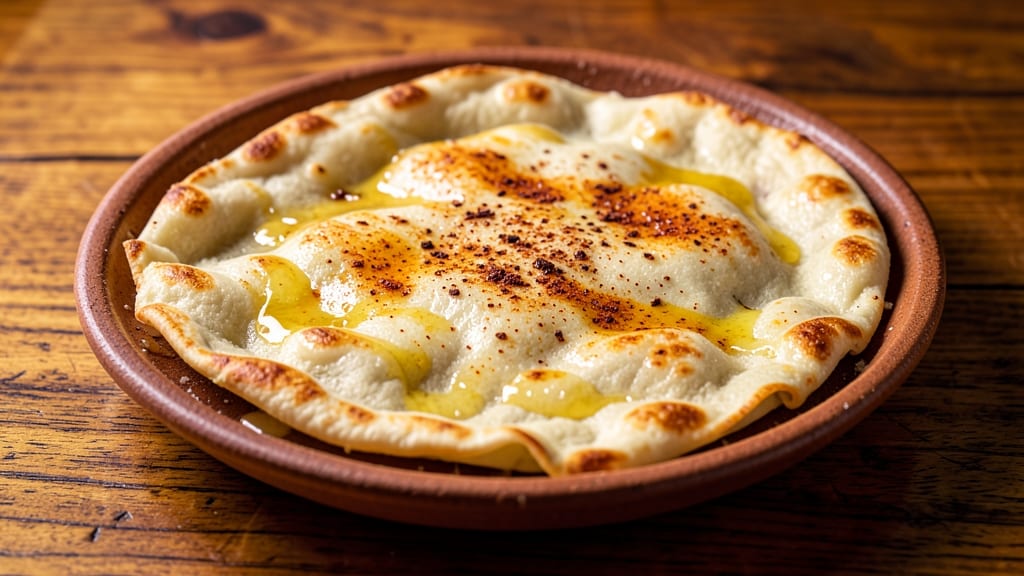
This AIP naan bread recipe transforms traditional naan into a crispy, pull-apart delight using only compliant ingredients—no grains, gluten, or dairy. 🔥 The secret lies in blending almond flour with coconut flour and binding it with gelatin for that signature chewy-yet-crispy texture.
Unlike store-bought alternatives, this version delivers the same warm, spiced satisfaction without compromising dietary needs.
What sets this recipe apart is the skillet-cooking method, which creates golden, blistered edges while keeping the interior tender. A touch of cinnamon and turmeric adds warmth without overpowering the neutral base, while a brush of ghee (or coconut oil for strict AIP) elevates every bite.
The dough is surprisingly simple to mix—just 10 minutes of prep before shaping into soft, pliable rounds.
By the time you pull the last piece from the skillet, you’ll have a stack of crispy, aromatic naan that’s perfect for scooping up curries, soups, or serving alongside grilled meats.
The pull-apart magic makes it ideal for sharing, and the clean ingredient list ensures it fits seamlessly into an AIP lifestyle without sacrificing flavor.
For extra indulgence, sprinkle with toasted sesame seeds (if tolerated) or a pinch of sea salt before serving. This isn’t just a substitute—it’s a restaurant-quality side dish that proves AIP dining can still be rich, satisfying, and full of texture. Let’s get started!
Ingredients for aip naan bread
Ten compliant ingredients transform traditional naan into crispy, pull-apart AIP perfection.
| Ingredient | Amount | Notes |
|---|---|---|
| Almond Flour 🌰 | 1 ½ cups | Finely ground, unsweetened |
| Coconut Flour 🥥 | ½ cup | Unsweetened, sifted first |
| Unflavored Gelatin 🧴 | 3 tbsp | Bloomed in cold water first |
| Ghee 🫒 | ½ cup | Or coconut oil for strict AIP |
| Cinnamon 🌿 | 1 tsp | Ground, for warmth |
| Turmeric Powder 🧡 | ½ tsp | For golden color |
| Sea Salt 🧂 | ½ tsp | Fine grain preferred |
| Apple Cider Vinegar 🍎 | 1 tbsp | For elasticity |
| Cold Water 💧 | ½ cup | For dough consistency |
| Sesame Seeds 🌾 | 1 tbsp | Toasted, optional garnish |
The almond and coconut flours create the signature texture, but almond flour is non-negotiable—it provides the chewiness while coconut flour adds structure. Bob’s Red Mill or Anthony’s Goods brands deliver the finest grind, and both are widely available at health-focused grocery stores. For the gelatin, Great Lakes is my go-to—it dissolves smoothly and provides that perfect elastic quality. The ghee adds richness; if you're strict AIP, Nutiva Organic Coconut Oil works just as well, though it has a slightly different flavor profile. Always measure your coconut flour first and sift it—it's incredibly absorbent and can make your dough dry if not handled properly.
No ghee? Coconut oil or avocado oil are direct substitutes, though they may yield slightly less golden crust. Swapping cinnamon for cardamom at half the amount adds complexity, while omitting turmeric means you'll miss that signature golden hue. The apple cider vinegar is crucial—it mimics the acidity of yogurt in traditional naan, creating that signature pull-apart quality. If you're short on time, lemon juice works in a pinch, though it has a sharper flavor. For the sesame seeds, toasted in a dry skillet for 2 minutes brings out their nutty aroma, but raw seeds work if you're in a hurry. Every ingredient here serves a purpose—skip none for optimal texture.
This dough keeps for 3 days in the fridge, wrapped tightly in plastic wrap to prevent drying. For longer storage, portion into balls and freeze for up to 3 months. Thaw overnight in the fridge before cooking. The cooked naan reheats beautifully—wrap in a clean kitchen towel and warm in a dry skillet over medium heat for 1-2 minutes per side. For extra crispiness, store in an airtight container with a sheet of parchment between layers. The pull-apart magic diminishes slightly after reheating, so enjoy fresh when possible for that restaurant-quality experience.
Why You'll Love This Recipe
- No-Fuss Dough: I swear by this—just blend, knead, and roll. The gelatin gives it that perfect stretch without fuss, and the almond-coconut mix means no waiting for yeast to rise.
- Warm Spice Magic: That first bite? Ghee and cinnamon make it taste like a cozy bakery, but it’s actually on my table in 20 minutes. Honestly, the flavor punches way above its ingredients.
- Meal Prep MVP: Freeze half the batch—just reheat in a skillet with ghee, and you’ve got fresh naan in seconds. Perfect for lazy nights or when guests drop by unexpectedly.
- Budget-Friendly Luxury: Uses pantry staples (no fancy yeast or long proofing), yet feels indulgent. My wallet thanks me, and my family never guesses it’s AIP-compliant.
Step-by-step instructions for AIP naan bread
Master this technique and you'll achieve golden, crispy tortilla crowns with a tender interior every time.
👨🍳 Step 1: Bloom the Gelatin and Prepare the Dough Base
In a small bowl, combine the 3 tbsp unflavored gelatin with the 0.5 cup cold water. Let it sit for 10 minutes until fully dissolved and slightly thickened. This creates the binding agent that replaces gluten in our AIP-friendly dough.
In a separate large bowl, whisk together the 1.5 cups almond flour and 0.5 cup coconut flour. Sift the coconut flour first to prevent clumping—this ensures even distribution throughout the dough. Add the 1 tsp cinnamon, 0.5 tsp turmeric powder, and 0.5 tsp sea salt, whisking until completely combined. The turmeric will give your naan that beautiful golden color, while the cinnamon adds subtle warmth.
🍳 Step 2: Incorporate Wet Ingredients and Develop Elasticity
Add the bloomed gelatin mixture to the dry ingredients along with the 0.5 cup ghee and 1 tbsp apple cider vinegar. The vinegar acts as a natural leavener, creating that signature pull-apart texture. Mix with a silicone spatula until you achieve a thick, shaggy dough that clings together when pressed.
Gradually add the 0.5 cup cold water one tablespoon at a time, mixing thoroughly after each addition. You're looking for a dough that's pliable but not sticky—it should hold together when pinched but still be workable. If it's too dry, add another splash of water; if too sticky, incorporate a bit more almond flour. This dough requires precise moisture balance to achieve that perfect crispy-yet-tender texture.
🥘 Step 3: Shape and Rest the Dough
Turn the dough onto a clean surface lightly dusted with almond flour and knead gently for 2-3 minutes until smooth. Divide into 4 equal portions (about 4 ounces each) and roll each into a ¼-inch thick circle using a rolling pin. I like to keep them about 6 inches in diameter—this size gives us that perfect tortilla shape when cooked.
Place the rolled naan on a parchment-lined baking sheet and cover with a clean kitchen towel. Let them rest for 15 minutes at room temperature. This resting period allows the dough to relax and develop its structure, preventing cracking during cooking. The edges should look slightly puffed after resting—that's your signal they're ready for the oven.
🔥 Step 4: Bake to Crispy Perfection
Preheat your oven to 375°F with the rack positioned in the middle. Place the baking sheet on the rack and bake for 12-15 minutes until the edges are deep golden brown and the centers feel slightly firm to the touch. The naan should have a crispy exterior with a tender, slightly chewy interior—this is where the magic happens.
For extra crispiness, I recommend broiling for 1-2 minutes at the end. Watch carefully—broiling can happen quickly and you want that beautiful golden color without burning. The sesame seeds, if using, should be toasted in a dry skillet for 30 seconds before sprinkling over the hot naan just out of the oven for maximum crunch.
⏰ Step 5: Serve Immediately for Maximum Enjoyment
Transfer the naan to a wire rack and let cool for 2-3 minutes before serving. The residual heat will continue to crisp the edges while keeping the interior warm and pliable. Serve immediately while still warm—this is when they're at their peak texture, with that perfect balance of crispy exterior and tender center.
These naan crowns are ideal for scooping up curries, soups, or even as a base for your favorite AIP-friendly toppings. The cinnamon and turmeric infuse each bite with warm, aromatic flavor, while the crispy edges provide satisfying texture contrast. Store any leftovers in an airtight container for up to 3 days, though I doubt they'll last that long!
Pro Tips For Making Aip Naan Bread
- Bloom the Gelatin Properly: I learned this the hard way—skimping on soaking time turns your naan dough into a chewy brick. Soak the unflavored gelatin in warm water for 10 minutes first, then microwave it in 10-second bursts until fully dissolved (it should be clear, not stringy). Cold water makes it stubborn; warm water works faster without overcooking.
- Mix Almond and Coconut Flours Separately: Coconut flour absorbs liquid like a sponge, so toss it with the gelatin mixture first and let it sit for 5 minutes before adding the almond flour. This prevents a gummy texture—your dough will be smoother and easier to shape. (Yes, even if you're impatient like me.)
- Use a Heavy Skillet for Even Browning: Cast iron or stainless steel is non-negotiable here. Ghee burns easily, and a flimsy pan means uneven cooking. Heat the skillet until a drop of water sizzles violently, then add just enough ghee to coat the bottom—about 2 tablespoons. Too much = soggy naan; too little = dry crust.
- Press Dough Gently, Not Hard: Overworking the dough when shaping leads to dense, rubbery naan. Press it lightly into the skillet with your fingers, leaving slight edges—this helps it puff naturally. If the dough cracks, just pat it down; it’ll still crisp up beautifully. (Your future self will thank you.)
Serving suggestions for aip naan bread
Curry Pairing Perfection
This AIP naan shines when served alongside coconut milk-based curries—the crispy edges soak up rich sauces beautifully. I recommend a turmeric-ginger coconut curry with chicken or chickpeas, where the naan's cinnamon warmth complements the dish's earthy notes.
For extra indulgence, brush the warm naan with melted ghee before serving to enhance flavor absorption. 🌿
Soup & Dip Combinations
Use these naan crowns to scoop up AIP-friendly soups like butternut squash or lentil stews. The crispy texture contrasts perfectly with creamy bases. For dipping, try coconut yogurt mixed with fresh cilantro and a pinch of garlic powder—it's tangy, cooling, and completely compliant.
I also love serving them with avocado-lime mash for a refreshing, no-cook option.
Grilled Meat Accompaniment
Pair with grilled chicken thighs or beef patties for a hearty meal. The naan's crispy exterior stays intact while absorbing juices from the meat. For a complete AIP spread, add roasted cauliflower and sautéed spinach with garlic and coconut aminos.
The combination creates a balanced plate that's both satisfying and compliant. 🍗
Breakfast Adaptation
Transform these into breakfast naan by brushing with coconut butter and sprinkling with chia seeds before baking. Serve with scrambled eggs (cooked in ghee) and sautéed mushrooms for a protein-packed morning meal. The cinnamon in the dough adds natural sweetness that pairs beautifully with savory breakfast elements.
Dessert Twist
For a sweet version, reduce the cinnamon to ½ tsp and add 1 tsp vanilla extract to the dough. Brush baked naan with melted coconut sugar and top with toasted coconut flakes for a dessert-style treat.
Pair with AIP-friendly chocolate pudding (made with avocado and cocoa) for a decadent finish that still fits dietary needs.
Meal Prep Strategy
Make a double batch and store the dough balls in the freezer for up to 3 months. Cook fresh as needed—reheat in a skillet for 1-2 minutes per side to restore crispiness.
Pre-portioned naan makes it easy to grab and serve with any meal throughout the week. The freezer-friendly nature means you can always have compliant bread on hand for unexpected guests. ❄️
Nutrition facts
Frequently asked questions
Can I make this AIP naan without gelatin?
Gelatin is key for the signature pull-apart texture, but you can substitute 1 tbsp psyllium husk powder mixed with ¼ cup water for binding. Let it sit for 10 minutes to thicken before adding to the dough. The texture will be slightly denser but still workable. For strict AIP without gelatin, this is your best alternative!
Why does my AIP naan turn out dry or crumbly?
This usually happens when coconut flour isn't sifted or too much water is added. Always sift the coconut flour first—it absorbs moisture quickly. If your dough feels too dry during mixing, add water 1 tbsp at a time. Overworking the dough also causes crumbling, so knead gently for just 2-3 minutes.
Can I use this recipe for a gluten-free, non-AIP version?
Yes! Replace the almond flour with 1.5 cups all-purpose gluten-free flour blend (like Bob's Red Mill 1:1) and omit the gelatin. Add 1 tsp xanthan gum to improve elasticity. The vinegar and ghee still work wonders for flavor and texture—just reduce the water slightly since GF flours absorb differently.
How do I make these naan extra crispy?
For maximum crispiness, bake at 400°F instead of 375°F and reduce baking time to 10-12 minutes. Finish with 2 minutes under the broiler, watching closely to avoid burning. Store in an airtight container with parchment between layers to maintain crispness for 2 days. Reheat in a dry skillet for 30 seconds per side.
What's the best way to store leftover AIP naan?
Cool completely, then stack with parchment paper between layers in an airtight container. They'll stay fresh for 3 days at room temperature. For longer storage, freeze the dough balls (uncooked) for up to 3 months). To revive, bake from frozen at 375°F for 15-18 minutes, adding 2 extra minutes of broiling at the end.