
Breakfast & Brunch
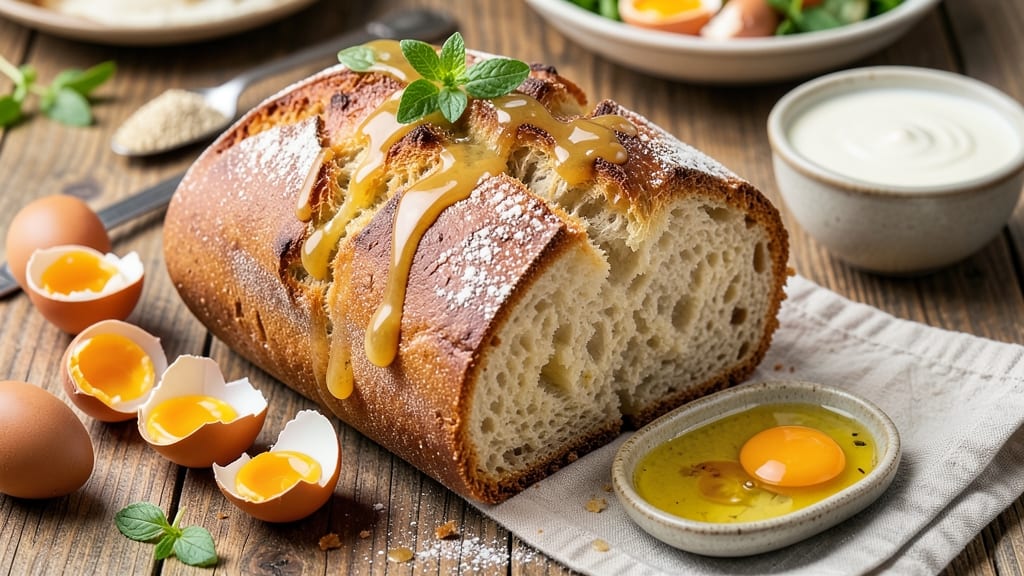
This adding egg to bread recipe transforms ordinary loaves into golden, tender masterpieces with a crisp crust and moist interior—thanks to the magic of eggs. 💛 The secret lies in how eggs act as both a binder and leavening agent, creating that signature brioche-like texture while keeping the bread rich and flavorful.
I’ve perfected this technique over years of baking, ensuring every slice stays fresh for days and every bite delivers that satisfying contrast between crisp and soft. The recipe focuses on a simple yet foolproof method for an egg-rich dough that’s easier to handle than you’d expect.
With just a handful of pantry staples—flour, eggs, butter, and a touch of sugar—you’ll achieve a loaf that’s vegetarian-friendly and packed with that irresistible pull-apart texture. The eggs not only enrich the dough but also contribute to a beautiful, glossy finish that’s impossible to resist.
What sets this apart is the balanced approach to egg incorporation: too few and the bread lacks richness, too many and it becomes dense. Here, we strike the perfect equilibrium, resulting in a loaf that’s moist without being heavy, with a golden-brown crust that crackles delightfully.
Whether you’re baking for breakfast, sandwiches, or simply indulging in a warm slice, this recipe delivers restaurant-quality results at home. The process is straightforward—kneading, shaping, proofing, and baking—but the payoff is worth every step. Once you try this egg-enriched bread, you’ll never go back to plain loaves.
Ready to elevate your baking game? Let’s get started with the ingredients and instructions.
Ingredients for adding egg to bread
Four eggs and nine staples create restaurant-quality bread with golden crust and tender crumb.
| Ingredient | Amount | Notes |
|---|---|---|
| Large Eggs 🥚 | 4 whole | Room temperature for even mixing |
| All-Purpose Flour 🌾 | 4 cups | Sifted for lighter texture (King Arthur preferred) |
| Unsalted Butter 🧈 | ½ cup | Cold, cubed for easier incorporation |
| Granulated Sugar 🍚 | ¼ cup | Fine grain for even distribution |
| Instant Yeast 🍞 | 2 tsps | Single-use packet for accuracy |
| Whole Milk 🥛 | ½ cup | Warmed to 110°F for yeast activation |
| Diamond Crystal Kosher Salt 🧂 | 1 ½ tsps | Fine grain for even flavor |
| Pure Vanilla Extract 🌸 | 1 tsp | High-quality for rich aroma |
| Large Egg Yolks 🥚 | 2 whole | Separated for extra richness |
The eggs are the game-changers here—room temperature matters (cold eggs create dense bread). King Arthur flour is my go-to for its high protein content, but Bob's Red Mill works too. Butter should be cold and cubed—melting it first makes the dough too soft to handle. For the yeast, instant yeast is a must; it activates instantly in liquid. Warm the milk to 110°F (like baby bath water) to wake up the yeast without killing it. If your kitchen isn't precise, use the finger test: dip your pinky in the milk—it should feel warm but not hot.
No vanilla extract? Almond extract at half the amount works in a pinch, but you'll lose that classic breadhouse aroma. Running short on butter? Coconut oil or olive oil can substitute, though the flavor will differ slightly. For the sugar, brown sugar adds moisture but changes the crust color to a deeper amber. The egg yolks are non-negotiable—they're what give this bread that signature brioche-like richness. If you're making a larger batch, scale up the eggs proportionally—don't skimp, or the texture suffers. And for the love of crust, measure your flour by weight if possible—cups vary wildly between brands.
Freshly baked loaves keep their crust crisp for 2 days at room temperature, wrapped in a clean kitchen towel. For longer storage, freeze fully cooled loaves in airtight bags for up to 3 months—thaw at room temp before toasting. The dough can be shaped and refrigerated overnight for easier morning baking. Pro tip: brush the baked loaves with melted butter while still warm for that showstopping golden finish. Leftovers? Toast them—everything tastes better with a little crunch.
Why You'll Love This Recipe
- Five-Ingredient Magic: I swear by this list—flour, butter, sugar, yeast, and an egg. That’s it. No fancy mixers or last-minute store runs. The egg binds everything while adding richness, and the yeast does all the heavy lifting while I’m folding laundry.
- Golden Crust, Soft Heart: The butter and sugar create this perfect balance: a crackly, golden-brown crust that gives way to a pillowy interior. Honestly, it’s the kind of bread where you’ll pause mid-slice just to admire it—then eat the whole thing anyway.
- Breakfast to Brunch: This bread is my lazy Sunday hero. Toast it for breakfast, slather it with jam for brunch, or even use slices to make French toast later. Between us, I’ve had it cold with peanut butter at 2 p.m. and no one judged me.
- Budget-Proof Staple: A dozen loaves cost me less than $5, and they keep for days in the freezer. The egg stretches the dough just enough to make it feel indulgent without breaking the bank—my wallet and my taste buds thank me every time.
Step-by-step instructions for enriched bread with eggs
Here's how to transform your bread into a rich, tender loaf with perfect texture every time.
👨🍳 Step 1: Prepare the Egg Mixture for Maximum Richness
In a medium bowl, whisk together the 4 whole Large Eggs and 2 whole Large Egg Yolks until completely combined. This is where the magic happens—I like to add the 1 tsp Pure Vanilla Extract and 0.25 cup Granulated Sugar at this stage to create a subtle sweetness that enhances the bread's flavor profile. The sugar also helps tenderize the gluten structure, giving you that melt-in-your-mouth quality.
Here's a pro tip: I always use room-temperature eggs for even mixing. If your eggs are cold, let them sit in warm water for 5 minutes before whisking. The mixture should be smooth and homogeneous—no streaks of yolk remaining. This ensures even distribution throughout the dough, preventing any dry spots in your final loaf.
🍳 Step 2: Combine Wet Ingredients for Optimal Gluten Development
In a separate large bowl, combine the 0.5 cup Unsalted Butter (cold and cubed as specified) with the 0.5 cup Whole Milk (warmed to 110°F as noted in the ingredients). Gently melt the butter into the milk over a double boiler or in a microwave-safe bowl for 30 seconds, stirring until the butter is completely incorporated but not hot to the touch.
Now carefully pour the egg mixture into the butter-milk mixture while whisking continuously. The goal is to emulsify these ingredients thoroughly—this creates tiny fat pockets that will make your bread incredibly tender. Add the 1.5 tsps Diamond Crystal Kosher Salt and mix until fully dissolved. The salt should be evenly distributed, as uneven saltiness can ruin an otherwise perfect loaf.
👨🍳 Step 3: Incorporate the Sifted Flour Gently
Gradually add the 4 cups All-Purpose Flour (sifted as recommended) to the wet mixture, mixing with a wooden spoon or dough whisk. Start with just enough flour to form a shaggy dough, then turn it out onto a lightly floured surface. I like to use my hands here—kneading by hand gives me better control over the gluten development than using a mixer.
Knead the dough for about 8-10 minutes until it becomes smooth and elastic. You'll know it's ready when it springs back slowly when poked with your finger. The eggs add richness but can make the dough slightly sticky, so be patient during this process. If it feels too sticky, add just enough additional flour to make it manageable—about 1-2 tablespoons at most.
⏰ Step 4: First Rise for Proper Yeast Activation
Place the dough in a lightly greased bowl, cover it with a damp towel, and let it rise in a warm place for 1-2 hours or until it has doubled in size. The eggs and butter in this enriched dough will slow down the yeast activity slightly, so don't rush this step. You're looking for the dough to become light and airy—not just puffy, but actually lighter in texture.
Here's where the egg yolks really pay off: they create a more tender crumb and help trap moisture during baking. When the dough has risen sufficiently, gently punch it down to release any air bubbles, then shape it into a loaf. Place it in a greased 9x5-inch loaf pan and let it rise again for another 30-45 minutes until it reaches the top of the pan.
🔥 Step 5: Bake to Golden Perfection with Egg-Enhanced Moisture
Preheat your oven to 350°F while the dough rises. When ready, bake the loaf for 35-40 minutes until it reaches an internal temperature of 190-200°F and the top is deep golden brown. The eggs in this recipe create a beautiful, crackly crust while keeping the interior incredibly moist—this is the hallmark of an enriched bread.
For that perfect finish, I recommend brushing the hot loaf with a simple egg wash made from 1 additional egg yolk beaten with 1 tablespoon water. This gives the crust that glossy sheen while adding extra richness. Let the bread cool in the pan for 10 minutes before transferring to a wire rack. The wait is worth it—the interior should be tender and moist, with a fine, even crumb that's truly exceptional.
Pro Tips For Making Adding Egg To Bread
- Warm the Eggs First: The butter and sugar in this dough can turn your eggs into scrambled bits if they’re straight from the fridge. Crack them into a bowl, cover it with warm (not hot) water for 5 minutes, then mix—this keeps the yolks smooth and the whole batter cohesive.
- Use Room-Temp Butter: Cold butter creates pockets of fat that won’t melt evenly, leaving your bread dense and greasy. Take the butter out 30 minutes before mixing—yes, even if you’re in a hurry. Your future self will notice the difference in texture.
- Don’t Overmix the Dough: This isn’t cake batter. Once the flour, yeast, and wet ingredients come together, stop after 2-3 minutes of mixing. Overworking it develops gluten like crazy, and your bread will turn out tough instead of tender. Feel for a shaggy, slightly sticky consistency—that’s perfect.
- Let the Yeast Bloom: Skip the instant yeast shortcut? Fine, but if you’re using it, dissolve it in the warm liquid (milk or water) first and let it sit for 5 minutes until foamy. This guarantees it’s active before it hits the flour—no waiting around for a second rise later.
Best sauces and condiments for adding egg to bread
Butter-Based Glaze
After baking, brush the warm loaf with melted European-style butter (like Plugrá) mixed with a pinch of flaky sea salt. The butter’s richness complements the egg-enriched dough, while the salt enhances the natural sweetness.
For extra shine, add 1 tsp honey to the butter mixture—this caramelizes slightly during cooling, creating a sticky, gourmet finish. 🌟
Honey-Lavender Infusion
Drizzle 2 tbsp wildflower honey mixed with ½ tsp culinary lavender buds (steeped in 1 tbsp warm water for 10 minutes) over the baked loaf. The floral notes pair beautifully with the vanilla in the dough, while the honey adds a subtle sweetness that balances the bread’s richness.
Use this glaze when serving with cheese or fruit.
Garlic-Herb Compote
For savory applications, blend 3 cloves roasted garlic, 2 tbsp olive oil, 1 tbsp fresh rosemary, and ½ tsp black pepper into a smooth paste.
Spread a thin layer on warm slices before toasting—this compote adds depth without overpowering the egg’s natural richness. Perfect for sandwiches or as a bread dip. 🌿
Brown Butter Finish
Brown 2 tbsp unsalted butter in a light-colored pan until nutty and golden (about 3-4 minutes on medium heat). Drizzle immediately over the baked loaf while still warm. The nutty, caramelized flavor contrasts beautifully with the bread’s tender crumb and adds a sophisticated touch.
Store any leftover brown butter in the fridge for up to 1 week.
Citrus Zest Glaze
Combine 1 tbsp lemon or orange zest with 2 tbsp melted butter and 1 tsp powdered sugar for a bright, citrusy finish. The acidity cuts through the richness of the egg-enriched dough, making each bite feel fresh.
This glaze works especially well with breakfast pastries or as a garnish for brunch platters.
Sweetened Whipped Cream
Whip ½ cup heavy cream with 1 tbsp powdered sugar and ½ tsp vanilla extract until soft peaks form. Spread or pipe this onto warm slices for a dessert-like experience.
The light, airy texture contrasts perfectly with the dense, moist bread. Store any leftovers in an airtight container in the fridge for up to 2 days.
Nutrition facts
Frequently asked questions
Why does adding eggs make bread richer?
The eggs act as both a binder and fat substitute in the dough. They create tiny air pockets that improve texture and trap moisture, resulting in a softer, more tender crumb. The fat from the yolks also tenderizes the gluten structure, giving that signature brioche-like quality. Plus, eggs add protein that enhances the bread's chewiness without heaviness.
Can I replace eggs with something else for a vegan version?
Yes! For a 1:1 substitution, use ¼ cup aquafaba (chickpea brine) per egg, or 1 tbsp ground flaxseed mixed with 3 tbsp water (let sit for 5 minutes to thicken). Both options mimic the binding properties, though the texture will be slightly denser. For richness, add 1 tbsp neutral oil to the dough. The flavor won't be identical, but it works well for sandwich bread.
How do I know when my egg-enriched dough is ready to bake?
Your dough is ready when it's doubled in size after the first rise and springs back slowly when poked with your finger. For the second rise in the pan, it should reach the top of the pan and feel light when pressed gently. The dough should also leave a slight indentation that doesn't fill back in immediately. This ensures proper yeast activation and airiness.
Will this bread stay fresh longer than regular bread?
The eggs and butter create an airtight seal that locks in moisture. Store wrapped in a clean kitchen towel at room temperature for 3-4 days, or freeze for up to 3 months. To revive, slice and toast—this restores crispness. The high-fat content prevents staling better than plain bread, which dries out in 2 days.
What's the best way to use this enriched bread?
This bread excels as toasted slices for breakfast, French toast, or sandwiches (it holds fillings beautifully). The rich texture also makes it perfect for garlic butter dips or as a side for soups. For dessert, try stuffed French toast with berries or use it to make bread pudding. The eggs make it versatile for both sweet and savory applications!