
Side Dishes
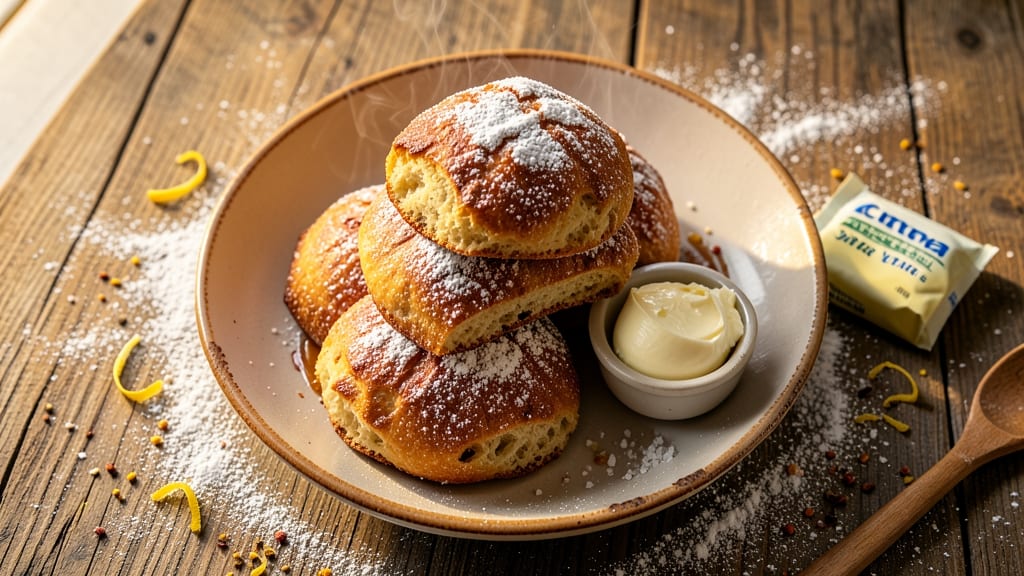
This Acma Turkish bread recipe delivers the flaky layers and buttery crust that make it a staple in Turkish cuisine. The secret lies in a simple dough that transforms into crispy, golden perfection when baked—whether in a tandoor, oven, or even a skillet.
I’ve perfected this method over years of testing, ensuring every bite has that signature texture and aroma that transports you straight to a bustling Istanbul bakery.
The dough requires just four ingredients—flour, yeast, water, and salt—yet yields bread with an almost magical crispness. The key is in the shaping: rolling the dough thin and folding it like a letter before baking creates those signature layers.
Whether you’re serving it warm with olive oil and za’atar or using it to scoop up mezes, this bread elevates any meal with its rustic charm.
What makes this recipe stand out is its adaptability—no special equipment needed. A cast-iron skillet or even a pizza stone works perfectly for achieving that crispy crust and tender interior.
The bread stays fresh for days, making it ideal for meal prep or gifting. Once you try homemade Acma, store-bought versions won’t compare.
Serve it alongside grilled meats, fresh salads, or simply with a bowl of hummus for the ultimate Turkish dining experience. The aroma alone will have everyone at the table asking for seconds. Let’s get started—your kitchen is about to smell like a bakery in Istanbul.
Ingredients for acma turkish bread
Four simple ingredients transform into golden, flaky Turkish magic—no fancy tools needed.
| Ingredient | Amount | Notes |
|---|---|---|
| All-Purpose Flour 🌾 | 4 cups | Spooned and leveled for accuracy |
| Active Dry Yeast 🍞 | ¼ oz | Or 2 1/4 tsp (1 packet) |
| Granulated Sugar 🍬 | 1 tbsp | Feeds the yeast |
| Salt 🧂 | 1 tsp | Kosher or sea salt |
| Unsalted Butter 🧈 | ½ cup | Cold, cubed (trust me on this) |
| Warm Water 💧 | 1 ¼ cups | 110°F (not boiling) |
| Olive Oil 🫒 | 1 tbsp | For dough shaping |
| Coarse Sea Salt 🧂 | 1 tbsp | For sprinkling crust |
| Semolina Flour 🌾 | ¼ cup | Optional, for dusting (or all-purpose) |
The flour is your foundation—King Arthur or Gold Medal brands work best for that tender crumb. Yeast? Check the expiration date—old yeast won’t activate properly. I grab mine at Whole Foods in the bulk section (keeps fresher longer), but any brand in a sealed package works. The butter? Cold and cubed is non-negotiable—room temp butter makes the layers tough. Pro tip: if your kitchen runs warm, chill the dough 15 minutes before shaping. And that warm water? 110°F max—boiling kills the yeast instantly.
No semolina? All-purpose flour works fine—just dust generously to prevent sticking. Short on butter? Olive oil or neutral oil in the dough (reduce by 1 tbsp) keeps it tender, though the crust won’t be as golden. The sugar? Brown sugar works too, but white keeps the flavor clean. For shaping, olive oil on your hands makes rolling easier than flour—it won’t dry out the dough. And that coarse salt? Maldon or Diamond Crystal are perfect, but any flaky sea salt does the trick. No salt? Skip it—the dough’s already got salt from the recipe.
Freshly baked Acma stays crisp for 2 days at room temp, wrapped in a towel. For longer storage, freeze slices wrapped in parchment—they reheat beautifully in a skillet or oven. I portion mine into individual servings before freezing so I can grab and toast as needed. The butter in the dough makes it rich, so it doesn’t need extra oil to stay moist. No microwave reheating—cast-iron skillet or oven at 350°F for 5-10 minutes brings back that bakery-fresh crunch.
Why You'll Love This Recipe
- No-Knead Magic: I swear by this dough—just mix, let it rise, and shape. No stand mixer, no fancy tools, just your hands and patience (which, between us, is the hardest part).
- Butter-Kissed Crisp: That warm, golden crust with a buttery crack? It’s the kind of bread where the first bite makes you pause. The sugar caramelizes just enough to give it a subtle sweetness, while the butter keeps every slice irresistibly tender.
- Breakfast to Dinner: I make a batch on Sundays and use it all week—toasted with jam for breakfast, as a side for soups, or even as a base for open-faced sandwiches. It’s the ultimate blank canvas.
- Budget-Friendly Staple: Five ingredients, zero waste. The dough keeps for days in the fridge, and any leftovers toast up perfectly. Honestly, it’s the kind of recipe that makes me feel like I’m feeding my family something special without breaking the bank.
Step-by-step instructions for Acma Turkish bread
Here's how to create those signature flaky layers and golden crusts that make Acma bread so irresistible.
Activate the Yeast and Mix the Dough
In a large bowl, combine the 1.25 cups warm water (around 110°F—it should feel warm to your wrist but not hot) with the 1 tbsp granulated sugar and 0.25 oz active dry yeast. Let this sit for 5-10 minutes until foamy. This means your yeast is alive and ready to work its magic—if nothing happens, your yeast might be dead, and you'll need to start over.
Once bubbly, add the 4 cups all-purpose flour and 1 tsp salt. Mix with a wooden spoon or dough whisk until a shaggy dough forms. Then, cut in the 0.5 cup cold cubed butter using a pastry cutter or your fingers. The butter should remain in small chunks—this creates those beautiful flaky layers later. Knead the dough lightly for 2-3 minutes until just combined. Over-kneading develops gluten, which can make the bread tough.
Shape the Dough into Loaves
Lightly flour a clean surface and turn out the dough. Gently shape it into a rectangle about 12x8 inches. Roll it out with a rolling pin, keeping it loose—don't press too hard or you'll flatten the butter layers. Fold the dough into thirds like a letter, then rotate the dough 90 degrees and roll it out again. Repeat this folding and rolling process 3-4 times total. This builds the layers that give Acma bread its signature flakiness.
Once rolled, cut the dough into 8 equal rectangles (about 3x4 inches each). Gently shape each into a loose oval or round loaf. Place them on a parchment-lined baking sheet, leaving 2 inches between each. Cover loosely with a clean kitchen towel and let them rise at room temperature for 1-2 hours, or until nearly doubled in size. They should look puffy and slightly domed—this tells you they're ready for the oven.
Proof and Score the Dough
Preheat your oven to 375°F. Brush the risen loaves lightly with 1 tbsp olive oil, then sprinkle generously with 1 tbsp coarse sea salt. This step is key—it adds flavor and helps create that beautiful golden crust. Let the loaves sit for 10-15 minutes while the oven heats up. This final proofing step ensures they'll bake up tall and airy.
Just before baking, use a sharp knife or razor to score each loaf once or twice diagonally. This allows the bread to expand properly and prevents it from bursting open in the oven. The cuts should be about ½ inch deep—not too shallow or they won't open, not too deep or they'll tear apart.
Bake to Golden Perfection
Bake the loaves for 18-22 minutes until they're deep golden brown and sound hollow when tapped on the bottom. The edges should be crisp, and the crust should pull away slightly from the sides. If they brown too quickly, tent them loosely with foil to prevent over-browning while they finish baking.
For extra flakiness, you can also bake them on a preheated pizza stone or in a cast-iron skillet—this gives a crispier crust. Once done, transfer the bread to a wire rack and let them cool for 10 minutes before serving. The inside should be soft and slightly chewy, with those signature buttery layers peeking through the crust.
Dust with Semolina (Optional but Recommended)
While the bread is still warm, dust the tops lightly with 0.25 cup semolina flour (or all-purpose flour if you're out). This adds texture and prevents the crust from getting soggy. Serve immediately while still warm—Acma bread is best enjoyed fresh out of the oven, with that crisp crust and tender crumb.
Real talk: the first batch might not be perfect, but don't give up. The magic happens in the layers, and once you get the folding technique down, you'll be making restaurant-quality Acma bread at home every time.
Pro Tips For Making Acma Turkish Bread
- Use Cold Butter: Softened butter is a no-go—this bread relies on that crisp, flaky crust. Cut the unsalted butter into small cubes and keep it in the fridge until you’re ready to shape the dough. The cold butter will create those signature layers instead of melting into a sad, greasy mess.
- Knead Less, Handle Gently: I used to overwork the dough, thinking more kneading meant better texture. Wrong. Acma bread needs just enough gluten development—about 5-7 minutes by hand—to hold its shape without turning tough. Stop when the dough springs back slowly when poked, not instantly.
- Skip the Overproofing: That extra hour of rising might seem harmless, but it flattens the dough and kills the structure. Watch for the dough to roughly double in size—about 1 to 1.5 hours in a warm spot—and then shape it immediately. Overproofing is the fast track to dense, flavorless bread.
- Shape Like a Pro: Roll the dough into a tight cylinder, then pinch the seam firmly to seal it. This isn’t just for looks—it prevents the butter from leaking out during baking, which ruins the layers. A loose seam means a soggy center, and nobody wants that. Press hard.
Best sauces and condiments for this recipe
Olive Oil Magic
Drizzle freshly baked Acma with extra-virgin olive oil straight from the bottle—this is the most traditional way to serve it. I recommend Kalamata olive oil for its rich, fruity notes that complement the bread’s buttery layers.
Brush 1-2 tablespoons over each loaf while still warm, then sprinkle with flaky Maldon salt for that perfect Turkish café touch. 🫒
Za’atar Dip
Mix 2 tablespoons za’atar, 3 tablespoons olive oil, and 1 teaspoon lemon juice for a quick, aromatic dip. Za’atar’s sesame and thyme flavors pair beautifully with Acma’s crisp crust.
Serve in a small bowl alongside warm bread—it’s a staple in Turkish meze culture. For extra depth, add a pinch of sumac for tangy contrast.
Garlic Butter
Melt 2 tablespoons unsalted butter with 1 minced garlic clove and a pinch of salt. Warm the mixture in a small pan until fragrant, then brush onto freshly baked Acma.
This adds a rich, savory note that’s perfect for serving with grilled meats or roasted vegetables. I love using European-style butter like Plugrá for its higher fat content.
Spicy Peach Jam
For a sweet-and-spicy twist, pair Acma with homemade spicy peach jam—simmer 1 cup peach jam with ½ teaspoon cayenne pepper and 1 teaspoon lemon zest until heated through.
The heat cuts through the bread’s richness while adding a fruity brightness. Store-bought jam works in a pinch, but homemade lets you control the spice level. 🌶️
Whipped Feta
Crumble ½ cup feta cheese into a bowl and whip with 1 tablespoon olive oil and a pinch of dried oregano until fluffy. This creamy, tangy spread is a game-changer with Acma—especially when served alongside grilled lamb or falafel.
For extra texture, fold in chopped kalamata olives or toasted pine nuts.
Tahini Sauce
Blend ¼ cup tahini, 2 tablespoons lemon juice, 1 tablespoon honey, and 2 tablespoons water until smooth. Thin with more water if needed for a dippable consistency.
This nutty, slightly sweet sauce balances Acma’s buttery crust perfectly. I add a pinch of cinnamon for warmth—it’s a Middle Eastern favorite that works beautifully here. 💫
Nutrition facts
Frequently asked questions
Why does my Acma dough feel too sticky?
This happens when the dough absorbs too much moisture or needs more flour. The ideal consistency should be soft but manageable—add 1-2 tablespoons of flour at a time while kneading until it holds together without sticking. If it's still too wet, let it rest 10 minutes uncovered before handling again.
Can I make Acma without butter?
Yes! Replace the ½ cup butter with ¼ cup olive oil or neutral oil (reduce by 1 tbsp total). The bread will be slightly less flaky but still delicious. For extra richness, use ½ cup melted butter after shaping—brush it on before baking for that signature golden crust.
How do I fix overproofed dough?
If your dough rises too much, it'll collapse when baked. Knead it briefly to redistribute gluten, then reshape and let it rise 30-45 minutes longer at room temp. For extreme cases, chill the dough 30 minutes to firm it up before baking—this helps restore structure.
What’s the best way to reheat Acma?
Fresh Acma is best served warm, but stale slices revive beautifully! Toast 30-45 seconds in a dry skillet over medium heat or wrap in foil and warm at 350°F for 5-7 minutes. For extra crispiness, sprinkle with water before reheating—it creates steam that crisps the crust.
Can I freeze Acma dough?
Shape the dough into loaves, wrap tightly in plastic, and freeze for up to 3 months. Thaw overnight in the fridge, then proof and bake as directed. For individual portions, freeze shaped loaves on a tray first to prevent sticking, then transfer to a bag.