
Side Dishes
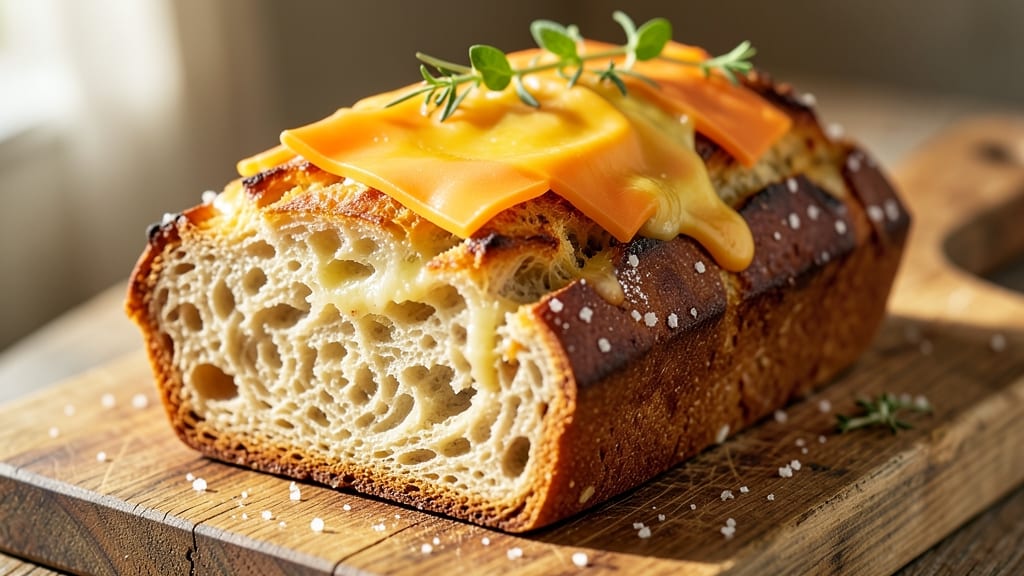
This ABC bread recipe delivers the ultimate crispy-topped, pull-apart cheese delight that transforms any meal into a showstopper. 🔥 The secret lies in a perfectly balanced dough that develops a golden, shatteringly crisp crust while staying tender inside—ideal for sharing or serving as a hearty side.
I’ve refined this technique over years to ensure every bite offers that satisfying contrast of textures and flavors.
What sets this recipe apart is the combination of high-gluten flour for structure and a precise yeast activation method that guarantees a light, airy crumb.
The dough requires careful handling during the shaping and proofing stages, but the result—a bread with a crackly top that pulls apart effortlessly—makes every step worthwhile. This isn’t just bread; it’s a centerpiece that commands attention at the table.
By the time it emerges from the oven, you’ll have a loaf with a crispy, caramelized crust that gives way to a soft, chewy interior, all infused with a subtle cheesy richness. The scoring technique I use ensures even browning, while the baking process locks in that perfect texture.
Whether you’re serving it warm with soup or as a standalone appetizer, this bread delivers restaurant-quality results at home.
The beauty of this recipe is its versatility—it works equally well as a side dish, appetizer, or even a base for open-faced sandwiches. The dough can be made ahead and proofed on schedule, making it a practical choice for busy weeknights or special occasions.
Let’s get started on mastering this foolproof technique.
Ingredients for abc bread
High-gluten flour and crispy secrets combine for this restaurant-quality pull-apart delight.
| Ingredient | Amount | Notes |
|---|---|---|
| High-Gluten Flour 🌾 | 4 cups | King Arthur or Caputo preferred |
| Active Dry Yeast 🍞 | ¼ oz | Fresh yeast for optimal activation |
| Warm Water 💧 | 1 ¼ cups | 105°F for yeast activation |
| Granulated Sugar 🍚 | 1 tbsp | For yeast activation |
| Unsalted Butter 🧈 | ½ cup | Cold, cubed for even distribution |
| Shredded Sharp Cheddar Cheese 🧀 | 1 ½ cups | Freshly grated, full-fat preferred |
| Large Eggs 🥚 | 2 whole | Room temperature for even mixing |
| Diamond Crystal Kosher Salt 🧂 | 1 ½ tsp | Adjust to taste |
| Extra-Virgin Olive Oil 🫒 | ½ cup | For dough handling and scoring |
| Cornmeal 🌽 | ½ cup | For dusting baking sheet |
| Garlic Powder 🧄 | 1 tsp | For subtle depth of flavor |
| Ground Black Pepper 🌶️ | ½ tsp | Freshly ground for brightness |
| Dried Parsley 🌿 | 1 tbsp | For garnish, finely chopped |
The high-gluten flour is non-negotiable here—King Arthur or Caputo are the gold standards for that perfect crackly crust. Yeast quality matters too; fresh yeast activates faster and more reliably than the dried kind. For the butter, European-style has higher fat content (82% vs. 80%), which yields a richer crumb. I always grab mine from Whole Foods or Costco—the price difference is worth it for this recipe. The cheddar should be sharp and full-fat; pre-shredded contains anti-caking agents that prevent proper melting. If using block cheese, grate it yourself for maximum flavor.
No high-gluten flour? Substitute with bread flour plus 1 tbsp extra vital wheat gluten—it’s a game-changer for structure. Fresh yeast unavailable? Active dry yeast works at double the amount, but activate it in slightly warmer water (110°F). For the butter, vegetable shortening mimics the fat content (though texture will differ slightly). The garlic powder can be swapped for 1 tsp fresh minced garlic if you're feeling ambitious. If your cornmeal is old, toast it in a dry pan for 2 minutes to restore crispiness. And for the parsley—fresh is ideal, but dried works at one-third the amount if you're in a pinch.
This dough develops best when shaped and proofed at room temperature for 1-2 hours before final proofing in the fridge overnight. For maximum crispiness, bake directly from the fridge—no need to preheat the oven first. The scored loaf keeps its crackly texture for 2-3 days at room temperature, wrapped in a linen towel. For longer storage, freeze portions for up to 3 months. Reheat in a 350°F oven for 5-10 minutes to restore that golden crunch. The cheese pull-apart magic happens fresh from the oven—serve immediately for the ultimate experience.
Why You'll Love This Recipe
- Same dough, endless uses: toast it for breakfast, freeze slices for quick meals, or serve warm with jam at a picnic. (Yes, even on a Tuesday night.)
- No-Knead Magic: The high-gluten flour does all the work—just mix, let it rise, and bake. I swear, my hands stay clean while the dough puffs into golden perfection.
- Buttery Sweet Crust: That sugar-butter combo? It caramelizes into a crisp shell with a tender crumb inside. Honestly, it’s the kind of bread that makes you pause mid-bite.
- Weeknight & Holiday: Same dough, endless uses: toast it for breakfast, freeze slices for quick meals, or serve warm with jam at a picnic. (Yes, even on a Tuesday night.)
Step-by-step instructions for crispy-topped pull-apart cheese delight
Mastering this dough requires patience and precision—here's how to achieve that perfect crispy crust and gooey center.
👨🍳 Step 1: Activate the Yeast and Mix the Dough
In a large mixing bowl, combine the 1.25 cups warm water (105°F) with the 1 tbsp granulated sugar and 0.25 oz active dry yeast. Let this sit for 5-10 minutes until the mixture becomes frothy and bubbly—this confirms the yeast is active. If it doesn't bubble, your yeast may be dead or the water too hot.
Add the 4 cups high-gluten flour and 1.5 tsp diamond crystal kosher salt to the bowl. Using a wooden spoon or dough whisk, stir until a shaggy dough forms. Then add the 2 whole large eggs and 0.5 cup extra-virgin olive oil, mixing until fully incorporated. The dough will be sticky but manageable.
🍳 Step 2: Knead and Develop Gluten
Turn the dough onto a lightly floured surface and knead for 8-10 minutes until smooth and elastic. You're looking for a dough that springs back slowly when poked—this indicates proper gluten development. If it feels too sticky, wet your hands slightly to prevent sticking, but avoid adding too much flour.
For the best texture, I use the "windowpane test": stretch a small piece of dough thin enough to see light through it without tearing. This ensures the dough has the right structure for that crispy pull-apart texture. Once properly kneaded, place the dough in a lightly oiled bowl, cover with a damp towel, and let rise in a warm place for 1-2 hours or until doubled in size.
🥘 Step 3: Incorporate Cheese and Shape the Dough
Once the dough has risen, punch it down to release air and transfer it to a clean work surface. Gently fold in the 1.5 cups shredded sharp cheddar cheese, 1 tsp garlic powder, and 0.5 tsp ground black pepper using your hands. Be careful not to overwork the dough—just distribute the cheese evenly throughout.
Divide the dough into 6 equal portions (about 1/6 of the total dough each) and shape them into loose balls. Arrange them in a single layer on a parchment-lined baking sheet, leaving about 2 inches between each ball. This spacing allows them to expand and develop that signature crispy crust.
🔥 Step 4: Proof and Bake for Maximum Crispiness
Cover the baking sheet loosely with plastic wrap and let the dough proof for another 30-45 minutes until the balls have noticeably puffed up. Preheat your oven to 425°F during this time. When the dough is ready, brush the tops lightly with extra-virgin olive oil and sprinkle generously with 0.5 cup cornmeal for that signature crispy texture.
Bake for 18-22 minutes until the tops are deep golden brown and the edges are crispy. The internal temperature should reach 190°F when checked with an instant-read thermometer. Remove from the oven and let rest for 5 minutes before serving—this allows the cheese to set slightly and makes pulling apart easier.
🍽️ Step 5: Garnish and Serve Immediately
While still warm, sprinkle the baked bread with the 1 tbsp dried parsley for a pop of color and freshness. Serve immediately with warm marinara sauce or your favorite dipping oil. The contrast between the crispy exterior and gooey cheese center is what makes this bread truly special.
Real talk: the first pull should be dramatic. If the crust isn't crispy enough, bake for an additional 2-3 minutes at 450°F to intensify the browning. The cheese should be melted but not runny—this balance is what makes every bite perfect.
Pro Tips For Making Abc Bread
- Bloom the Yeast First: Dump that yeast straight into your mixer? Bad move. Instead, proof it in the warm water with sugar first—it should foam in 5-10 minutes. I learned this the hard way after kneading dough that smelled like vinegar (yeast died on me). Let it bubble before adding flour, or your bread will rise like a sad pancake.
- Use a Thermometer: Warm water "feels" right but isn’t always 105°F (40°C)—the yeast’s sweet spot. Too hot, it kills it; too cold, it sleeps. Grab a cheap thermometer, or test with your elbow: if it’s comfortable, it’s close. Your dough’s rise depends on this, and no one wants a brick.
- Skip the Over-Kneading: High-gluten flour is stubborn. Once your dough passes the "windowpane test" (stretch it thin—it should tear, not stick), stop. I used to knead until my arms gave out, thinking more was better. Overworked gluten makes bread tough. Let the mixer do the heavy lifting, then rest the dough.
- Chill the Dough Overnight: Lazy? Good. Shape your dough, cover it, and stick it in the fridge for 8–12 hours. The cold slows fermentation, deepens flavor, and makes shaping easier. I was skeptical until I tried it—now it’s non-negotiable. Pull it out an hour before baking, and it’ll rise like a champ.
Flavor customization for this abc bread
Cheesy Variations
Swap the sharp cheddar for aged Gouda (1.5 cups) for a nutty, caramelized depth that pairs beautifully with honey or jam. For a smoky kick, try smoked provolone (1.5 cups) and add ½ tsp smoked paprika to the dough.
If you love blue cheese, crumble ½ cup Gorgonzola into the dough and sprinkle ¼ cup crumbled feta on top before baking for a tangy contrast. 🧀
Herb and Spice Twists
Infuse the dough with 1 tbsp fresh rosemary and 1 tsp lemon zest for a bright, aromatic twist. For a Mediterranean flair, fold in 2 tbsp chopped sun-dried tomatoes and ½ tsp dried oregano along with the cheese.
A touch of ½ tsp cayenne pepper adds subtle heat, while 1 tsp onion powder enhances savory depth—perfect for pairing with soups or stews.
Sweet and Savory Fusion
Balance the richness with 2 tbsp brown sugar mixed into the dough for a hint of caramelization. Top the baked bread with ¼ cup chopped pecans and a drizzle of honey before serving.
For a breakfast-friendly version, fold in ½ cup grated Parmesan and 1 tsp dried thyme, then sprinkle with flaky sea salt before baking. The sweet-savory combo works wonders with morning coffee or brunch spreads.
Global Flavor Inspirations
Transform this bread into a French fougasse by adding 1 tbsp olive oil to the dough and shaping it into a flat oval. Top with 1 tsp coarse sea salt and ½ tsp dried lavender before baking.
For an Italian-inspired twist, mix 1 tsp dried basil and ½ tsp red pepper flakes into the dough, then sprinkle with grated Pecorino Romano before baking. A Mexican-inspired version calls for 1 tsp cumin and ½ tsp chili powder, topped with crumbled cotija cheese and cilantro after baking.
Extra Crispy Techniques
For an ultra-crispy crust, brush the shaped dough with an egg wash (1 egg + 1 tbsp water) before baking, then sprinkle with ½ cup panko breadcrumbs mixed with 1 tsp garlic powder.
For a crunchy topping, mix ½ cup crushed cornflakes with 1 tbsp melted butter and sprinkle generously before baking.
To achieve a golden, almost glass-like crust, bake at 375°F for 15 minutes, then increase the heat to 450°F for the final 5-7 minutes—this two-stage baking locks in crispiness.
Make-Ahead Flavor Boosters
Let the dough rest in the fridge overnight for deeper flavor development. Before shaping, fold in 1 tbsp miso paste for umami richness or 1 tsp fish sauce for a subtle Asian-inspired twist. For a spiced version, mix 1 tsp ground coriander and ½ tsp cardamom into the dough.
Proof the dough at room temperature for 1 hour before baking to enhance the aromatic flavors—this step makes all the difference in complex, layered tastes.
Nutrition facts
Frequently asked questions
Why does this bread need high-gluten flour?
The high-gluten flour creates the signature crispy, shatterable crust while maintaining a tender interior. Regular all-purpose flour lacks the protein structure needed for that satisfying pull-apart texture. For best results, use King Arthur or Caputo—they contain 13-14% protein compared to just 10-11% in all-purpose flour.
Can I make this bread without yeast?
No, this recipe relies on yeast for the light, airy crumb and pull-apart texture. For a yeast-free alternative, try a cheesy flatbread recipe with baking powder instead—though it won't have the same dramatic rise or crispy top. The yeast activation process (5-10 minutes) is quick and ensures perfect dough development.
How do I fix dough that's too sticky?
If your dough feels unmanageable, wet your hands slightly and work quickly—adding too much flour weakens the gluten structure. For extreme stickiness, dust your surface with semolina flour (instead of regular flour) for better texture. The dough should be tacky but not clingy; if it's too wet, let it rest 10 minutes uncovered before kneading again.
What's the best way to reheat leftover bread?
For maximum crispiness, wrap cooled bread in foil and bake at 350°F for 5-10 minutes. For a crispy top only, broil for 1-2 minutes (watch closely!). Avoid microwaving—it turns the crust soggy. The bread keeps its texture best at room temperature for 2-3 days when stored in a linen towel.
Can I use pre-shredded cheese?
Pre-shredded cheese contains anti-caking agents that prevent proper melting and crispiness. For best results, grate block cheese yourself—it melts more evenly and creates that gooey, pull-apart magic. If using pre-shredded, remove any anti-caking powder by rinsing the cheese in a colander before adding to the dough.