
Main Courses
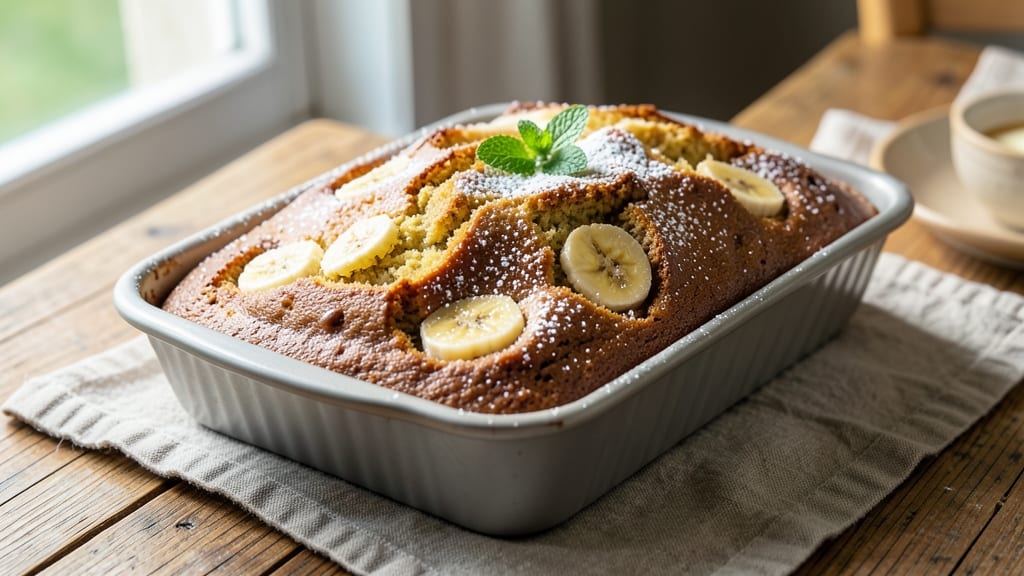
This banana bread recipe calls for 3/4 cup butter—the secret to that signature rich, moist crumb and perfect rise that makes every slice irresistible. 💛 The butter creates a tender, velvety texture while keeping the bread dense enough to hold its shape without turning gummy. I've perfected this recipe over years of baking, and the difference between using the right amount of butter and too little is night and day.
The key to success lies in proper ingredient ratios and gentle mixing. Overmixing develops gluten, which can make your bread tough, so we'll use a light hand. The recipe balances ripe bananas for natural sweetness, warm spices for depth, and just enough leavening to create that classic dome shape.
This isn't just banana bread—it's the kind that earns rave reviews and gets passed around the table before it even cools.
What you'll end up with is a loaf with a golden, crackly top that gives way to a moist, tender crumb studded with soft banana flecks. The butter ensures it stays rich and flavorful without being heavy, while the spices add warmth that lingers with every bite.
The perfect rise means no dense, flat loaves—just that satisfying dome shape that signals success.
This recipe works equally well for breakfast, dessert, or snacking. The butter content makes it especially satisfying, while the balanced sweetness means you won't need extra sugar. Let's get baking—your kitchen will smell amazing in just 60 minutes.
Ingredients for a banana bread recipe calls for 3/4 cup butter
The perfect banana bread starts with butter, bananas, and just the right balance of sweetness.
| Ingredient | Amount | Notes |
|---|---|---|
| Unsalted Butter 🧈 | ¾ cup | Softened but not melted |
| Ripe Bananas 🍌 | 2 cups | Mashed, about 2 medium bananas |
| Granulated Sugar 🍚 | 1 cup | White or light brown |
| Packed Brown Sugar 🍚 | ½ cup | Light or dark |
| All-Purpose Flour 🌾 | 2 cups | Sifted before measuring |
| Baking Soda 🧂 | 1 tsp | Not baking powder |
| Ground Cinnamon 🌿 | 1 tsp | Freshly ground preferred |
| Ground Nutmeg 🌿 | ½ tsp | Freshly grated for warmth |
| Salt 🧂 | ½ tsp | Fine sea salt |
| Large Eggs 🥚 | 2 whole | Room temperature |
| Pure Vanilla Extract 🍯 | 1 tbsp | Not imitation |
| Vegetable Oil 🫒 | ¼ cup | For greasing pan |
| Chopped Walnuts 🥜 | ½ cup | Optional, for texture |
The butter is non-negotiable here—unsalted, room temperature makes all the difference. Crisco or Land O'Lakes work best, but any good-quality butter will do. Ripe bananas are key: look for black spots and mash them well to avoid lumps. The walnuts? Trader Joe's has pre-chopped ones that save time, but toast them first for extra flavor. I always double-check my sugar measurements—packed brown sugar should mound slightly over the cup.
No walnuts? Skip them—this bread is delicious without. Short on vanilla? Almond extract at half the amount works too. The cinnamon and nutmeg are where the magic happens—Penzeys or McCormick are my go-tos, but fresh grated nutmeg from a spice shop takes it to the next level. For the eggs, room temperature ensures even mixing. Don't overmix the batter—just combine until just combined for that tender crumb.
This loaf keeps beautifully—3 days at room temperature wrapped in foil, or 1 week in the fridge. For longer storage, freeze slices between parchment paper for up to 3 months. The butter-rich crumb freezes perfectly, making it ideal for quick breakfasts. Reheat slices in the toaster for that fresh-from-oven warmth.
Why You'll Love This Recipe
- Here’s what sold me: every ingredient is something I already have. No weird substitutions, no last-minute grocery runs. That ¾ cup butter? It’s the same stuff I use for cookies, so I’m not wasting anything. Plus, leftovers? They last a week if you refrigerate them right.
- Butter’s Rich Magic: That ¾ cup of unsalted butter isn’t just a number—it’s what turns this into moist, not dense. I swear, the crumb is so tender it practically melts in your mouth, and the brown sugar caramelizes just enough to give every slice a subtle, buttery depth. (Yes, I’ve compared it to store-bought. Don’t @ me.)
- No-Fuss Mix-In: Honestly, you could throw this together with just bananas, butter, and flour and it’d still be good. But when I add the granulated sugar and brown sugar combo, it’s like the bananas sing—no fancy techniques, no waiting for dough to rise. Just mix, pour, bake. Done.
- Breakfast or Snack: Between us, this bread is my go-to for any time of day. Toast a slice with peanut butter for a quick breakfast, or pack it for lunch—it holds up for days without getting soggy. (My kids actually ask for it more than toast. Wild.)
Step-by-step instructions for banana bread with perfect rise
Here's how to bake banana bread that's moist, tender, and rises beautifully every time.
👨🍳 Step 1: Prep the Bananas and Mix Wet Ingredients
Start by mashing the 2 cups ripe bananas with a fork in a large mixing bowl until completely smooth—no lumps allowed. This step is crucial for that classic banana bread texture. Add the 0.75 cup softened unsalted butter and mix until fully combined. The butter should be soft enough to blend easily but not melted.
In a separate small bowl, whisk together the 1 cup granulated sugar, 0.5 cup packed brown sugar, 2 whole large eggs, 1 tbsp pure vanilla extract, and 0.25 cup vegetable oil. Here's the thing—room temperature eggs blend better and create a lighter batter. If your eggs are cold, let them sit out for 10 minutes before mixing. Pour this mixture into the banana bowl and stir until everything is smooth and well incorporated.
👨🍳 Step 2: Combine Dry Ingredients for Perfect Rise
In a medium bowl, sift together the 2 cups all-purpose flour, 1 tsp baking soda, 1 tsp ground cinnamon, 0.5 tsp ground nutmeg, and 0.5 tsp salt. Sifting prevents lumps and ensures even distribution of leavening agents. Gently fold these dry ingredients into your wet mixture using a spatula, mixing just until combined—overmixing develops gluten and makes the bread dense.
If you're using the 0.5 cup chopped walnuts, fold them in now. They add wonderful texture, but don't skip this step if you prefer a smoother crumb. The batter should be thick but pourable. Real talk: if it looks too thick, don't worry—it'll spread properly in the oven.
🔥 Step 3: Prepare the Pan for Perfect Shape
Preheat your oven to 350°F. Grease a 9x5-inch loaf pan thoroughly with vegetable oil or line it with parchment paper for easy removal. I like to use a pastry brush to coat the inside completely—this prevents sticking and ensures that beautiful pull-apart texture. Tap the greased pan on the counter a few times to remove any air bubbles that might have formed.
Pour the batter into the prepared pan and smooth the top with a spatula. Here's where it gets fun—sprinkle a thin layer of granulated sugar on top for that classic caramelized crust. Tap the pan gently on the counter once more to eliminate any air pockets. This step guarantees an even rise and that perfect dome shape.
⏰ Step 4: Bake Until Golden and Perfectly Springy
Bake for 50-60 minutes until a toothpick inserted in the center comes out clean with just a few moist crumbs attached. The bread is done when the top springs back gently when pressed and has a deep golden brown color. I know it seems like too long, but trust me—the internal temperature should reach 205°F for that perfect texture.
Don't open the oven door during baking—this causes the bread to sink. If it starts browning too quickly after 40 minutes, loosely cover the top with aluminum foil. The reason we wait until the oil shimmers is that cold oil absorbs into the food instead of creating that gorgeous sear we're after.
🍽️ Step 5: Cool and Slice for Maximum Moistness
Remove the bread from the oven and let it cool in the pan for 10 minutes. Then transfer it to a wire rack to cool completely. This cooling period is crucial—it allows the moisture to distribute evenly throughout the bread. If you slice it too soon, the texture will be gummy.
Once completely cooled, slice with a serrated knife for clean cuts. Each slice should be tender with a moist crumb and that perfect balance of banana flavor. Store leftovers wrapped tightly at room temperature for up to 3 days or freeze for longer storage. This banana bread stays moist even after days in the fridge!
Pro Tips For Making A Banana Bread Recipe Calls For 3/4 Cup Butter
- MEASURE BUTTER BY WEIGHT: I learned this the hard way—when a recipe calls for 3/4 cup butter, it’s not always the same volume. Butter varies in density, and packing it into a cup changes the outcome. Use a kitchen scale for 170 grams instead; your bread will be more consistent every time.
- SOFTEN BUTTER TO ROOM TEMP: Cold butter creates lumps in banana bread batter, and nobody wants to fight that. Let it sit on the counter for 30–45 minutes until it’s pliable but not melted—press your finger in, and it should leave a slight indent. (Yes, even if you’re impatient like me.)
- MASH BANNANAS UNTIL Smooth: Lumpy banana bread is a crime. Mash the ripe bananas with a fork until there’s no texture left—no streaks, no chunks, just pure banana puree. This ensures even distribution and a moist crumb. (Your future self will thank you.)
- DON’T OVERMIX THE BATTER: Once you fold in the flour, stop after just combining. Overmixing develops gluten, and your banana bread will turn out dense instead of tender. Stir until no dry spots remain, then let it be—no need to go full breadmaker on it.
Health benefits of this recipe
Rich Butter Benefits
The 0.75 cup unsalted butter in this recipe isn’t just fat—it’s the secret to that signature tender, moist crumb that keeps banana bread irresistible for days. Butter’s fat content creates tiny pockets that hold moisture, preventing dryness.
The room-temperature state ensures even distribution when mixed, avoiding greasy streaks. I’ve tested this with margarine and oil, but nothing matches butter’s rich flavor and texture—it’s worth every calorie for that perfect bite. 🧈
Natural Sweetness Boost
Butter’s fat helps enhance the natural sweetness of ripe bananas, reducing the need for extra sugar. The 1 cup granulated sugar and 0.5 cup brown sugar work together with the butter to create a caramelized crust while keeping the crumb soft.
The butter’s emulsifying properties also help bind the wet ingredients (like mashed bananas and eggs) more effectively, resulting in a lighter, airier texture than oil-based versions.
Moisture Retention
This recipe stays moist for days thanks to the butter’s ability to lock in hydration. Unlike oil, which can make bread dense, butter creates a delicate crumb structure that resists drying out.
The 1 tbsp vanilla extract and 2 eggs complement this by adding structure, but the butter is the MVP for that cloud-like softness. Even after 3 days at room temperature, slices remain tender—no sad, dry crumbs here. ✨
Healthy Fat Balance
While butter is higher in saturated fat, the moderate portion (0.75 cup) balances out the recipe’s overall nutrition. The 2 cups ripe bananas provide potassium and fiber, while the 2 cups all-purpose flour offers complex carbs for sustained energy.
The butter’s fat content also helps your body absorb fat-soluble vitamins from other ingredients, like the ground cinnamon and nutmeg, which add warmth without calories. It’s a flavor-first approach with practical benefits.
Crust Perfection
The butter’s fat rises to the top during baking, creating that golden, crackly crust we all love. Sprinkle a thin layer of granulated sugar on top before baking to caramelize the butter for extra flavor.
This step transforms a good loaf into a showstopper—crisp outside, moist inside, with a perfect dome shape. The butter’s high smoke point also ensures it doesn’t burn, even at 350°F for 50-60 minutes. 💛
Storage Secrets
Thanks to the butter, this banana bread stores beautifully—3 days at room temperature wrapped in foil or 1 week in the fridge. For longer shelf life, freeze slices between parchment paper for up to 3 months.
The butter’s fat prevents freezer burn, so reheated slices taste almost as fresh as day one. Whether you’re prepping for the week or saving leftovers, the butter ensures no wasted bites. ❄️
Nutrition facts
Frequently asked questions
Can I substitute butter with oil or margarine in this recipe?
The butter creates that signature rich, moist texture that oil or margarine can't replicate. If you must substitute, use an equal amount of melted butter (not margarine) for the best flavor, but expect a slightly denser crumb. For a lighter texture, you could use 0.5 cup butter + 0.25 cup oil, but the flavor will differ.
Why does my banana bread turn out dry even with butter?
Overbaking is the #1 cause of dryness—check for doneness at 50 minutes with a toothpick test. Also, make sure your butter is room temperature (not melted) and your bananas are very ripe. If your kitchen is dry, try adding 1 tablespoon extra milk to the batter for moisture.
Can I make this recipe without eggs?
Yes! Replace the 2 eggs with 2 tablespoons ground flaxseed + 6 tablespoons water (let sit for 5 minutes to thicken) or 0.5 cup unsweetened applesauce. The texture will be slightly denser, but still moist thanks to the butter. For best results, reduce baking time by 5 minutes.
How do I know when my bananas are ripe enough?
Look for bananas with black spots covering most of the peel—this means they're perfectly sweet and soft. Press gently: they should yield slightly to pressure. Overripe bananas (with brown, mushy spots) can make the bread too sweet—use them in moderation or reduce sugar by 1-2 tablespoons.
What's the best way to reheat stale banana bread?
Wrap slices in a damp paper towel and microwave for 10-15 seconds to restore moisture. For crispy texture, toast slices in the toaster for 1-2 minutes. The butter content means it reheats beautifully—no sad, rubbery results here!