
Main Courses
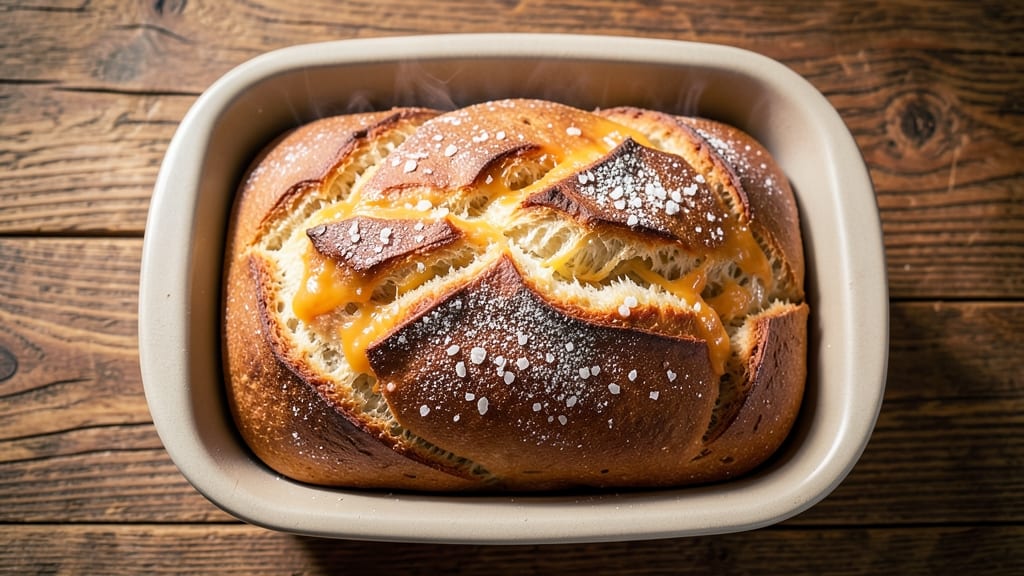
This 50-50 bread recipe for your bread maker delivers the ultimate texture contrast: a crispy golden crown over tender, chewy layers with pockets of melted cheddar. The secret lies in balancing flour, yeast, and just the right amount of moisture—plus those signature cheddar streaks that make every slice irresistible.
I’ve perfected this recipe after years of testing, ensuring your bread maker transforms simple ingredients into artisanal-quality loaves without the fuss of homemade kneading.
The magic happens in the dough stage, where a precise mix of all-purpose flour, yeast, and warm milk creates the ideal foundation. Adding cheddar cheese in streaks (not chunks) guarantees those gooey, pull-apart pockets that define 50-50 bread.
The bread maker’s dough cycle handles the kneading for you, while the bake cycle ensures that crispy crust you crave. No need for fancy equipment—just set it, let it work, and return to a loaf that smells like a bakery.
What you’ll end up with is a loaf that’s crispy on the outside, soft and chewy inside, and studded with melty cheddar that oozes with every bite. The aroma alone—warm, cheesy, and slightly toasted—will have everyone asking for seconds.
This bread is perfect for sandwiches, toasted with butter, or served alongside soups. The best part? It’s foolproof, even for beginners, and your bread maker does all the heavy lifting.
For extra flavor, consider adding a sprinkle of garlic powder or poppy seeds to the dough before baking. Leftovers reheat beautifully in the oven or toaster, making this the ideal make-ahead bread for busy weeks.
Let’s get started—your bread maker is about to make the best 50-50 bread you’ve ever tasted.
Ingredients for 50 50 bread recipe for bread maker
Simple ingredients that transform into bakery-style 50-50 bread with cheddar pockets and crispy crust.
| Ingredient | Amount | Notes |
|---|---|---|
| All-Purpose Flour 🌾 | 3 ½ cups | Sifted for best texture |
| Active Dry Yeast 🍞 | ¼ tsp | Or 1 packet (2.25 tsp) |
| Warm Whole Milk 🥛 | 1 cup | 110°F for optimal yeast activation |
| Granulated Sugar 🍚 | ½ tsp | Feeds yeast for rise |
| Salt 🧂 | 1 tsp | Diamond Crystal preferred |
| Shredded Sharp Cheddar Cheese 🧀 | 1 cup | Aged 6+ months for best melt |
| Unsalted Butter 🧈 | ¼ cup | Cold, cubed for streaks |
| Large Egg 🥚 | 1 whole | Room temperature for mixing |
| Extra-Virgin Olive Oil 🫒 | ½ tbsp | For greasing pan |
| Garlic Powder 🧄 | ½ tsp | Optional for extra flavor |
| Poppy Seeds 🌻 | 1 tbsp | Optional for topping |
The cheddar is non-negotiable for that signature melt. Look for aged sharp cheddar—the kind that crumbles easily when shredded. Kraft or pre-shredded won't work—it gets gummy. I grab mine from the deli counter at Whole Foods or Trader Joe's because their cheddar is consistently good. For the flour, King Arthur or Gold Medal brands give the best rise. The yeast? Always check the expiration date—old yeast won't activate properly, and you'll end up with dense bread. Keep your milk warm but not hot—yeast dies in temperatures over 120°F.
No sharp cheddar? Pepper jack or Gruyère can work in a pinch, but the flavor won't be the same. Out of butter? Vegetable shortening works for the streaks, though it won't add richness. The garlic powder and poppy seeds are optional but worth it—sprinkle them on top before baking for that bakery-style finish. If your bread maker has a dough setting, use it. If not, mix everything by hand until just combined—overmixing develops gluten and makes the bread tough. The dough should be soft but not sticky; add a splash more milk if needed.
This loaf keeps beautifully for 3-4 days at room temperature wrapped in a clean kitchen towel. For longer storage, freeze slices wrapped in parchment—reheat in the toaster for crispy perfection. The bread reheats best in the oven at 350°F for 5-7 minutes to revive that bakery-fresh aroma. Double the recipe if your bread maker allows—it's perfect for sandwiches all week. And trust me, the first slice out of the bread maker will have everyone begging for seconds.
Why You'll Love This Recipe
- Bread Maker Magic: I swear by my bread maker for this one—just toss in the flour, yeast, and milk, hit start, and walk away. No kneading, no mess, no stress. The machine does all the work while you sip your coffee.
- Milk’s Rich Secret: That warm whole milk? It’s the game-changer. It keeps the bread soft for days and gives it a buttery, slightly sweet crumb that’s ridiculously satisfying. Honestly, I’ve tried water—don’t.
- Weeknight Wonder: This bread is my go-to for sandwiches, toast, or even garlic butter dipping. Make a big batch on Sunday, and you’ve got breakfast, lunch, and snacks covered for the whole week. (Yes, even on a Tuesday night.)
- Budget-Friendly Staple: Five ingredients, one loaf, zero waste. The yeast and sugar are minimal, the flour stretches far, and it freezes like a dream. I’ve pulled this from the freezer straight into the toaster—no compromise on taste.
Step-by-step instructions for 50-50 bread maker magic
This bread maker recipe transforms simple ingredients into golden, cheesy perfection with a crispy crown.
Activate the Yeast for Maximum Rise
In a small bowl, combine the 1 cup warm whole milk (about 110°F), 0.5 tsp granulated sugar, and 0.25 tsp active dry yeast. Let it sit for 5-10 minutes until frothy—this tells you your yeast is alive and ready to work. The milk should smell slightly sweet and yeasty, not flat or sour.
While waiting, sift the 3.5 cups all-purpose flour into a large mixing bowl. This aerates the flour and prevents dense bread. I always sift through a fine-mesh sieve to eliminate any lumps that could affect texture. Keep the bowl nearby—you'll need it in the next step.
Mix the Dough to Perfect Consistency
Create a well in the center of the sifted flour and add the 1 whole large egg, 0.25 cup unsalted butter (cubed and softened), 1 tsp salt, and 0.5 tsp garlic powder. Mix these dry ingredients together until they form a loose crumbly texture—this is called a "rough dough" stage.
Pour in the yeast-milk mixture and stir with a wooden spoon until everything comes together. The dough should look shaggy but hold its shape when pressed. If it's too dry, add 1 tablespoon warm milk at a time until it reaches a soft, slightly sticky consistency. You're aiming for a dough that's pliable but not wet—think of it like playdough that doesn't stick to your fingers.
Incorporate Cheese and Prepare for Bread Maker
Add 1 cup shredded sharp cheddar cheese to the dough and mix thoroughly with your hands or a dough scraper. The cheese should be evenly distributed—you'll see little white specks throughout. This is where the magic happens: those cheddar streaks will melt into gooey perfection during baking.
Grease your bread maker pan with 0.5 tbsp extra-virgin olive oil, making sure to coat every corner. This prevents sticking and helps create that beautiful crispy crown. Transfer the dough to the bread maker pan and shape it into a smooth ball, pressing gently to fill the pan completely. The dough will rise dramatically, so don't worry about perfect shaping now.
Set Bread Maker and Let It Work Its Magic
Select the "Basic White Bread" setting on your bread maker and start the cycle. The machine will automatically knead, rise, and bake the bread for you. This process takes about 3 to 3.5 hours, including a 1.5-hour rise followed by 45 minutes of baking. The bread maker will handle all the timing and temperature adjustments—no need to monitor it closely.
Here's the secret to that perfect crispy crown: When the bread maker beeps at the end of the cycle, immediately remove the bread from the pan and place it on a wire rack. The residual heat will finish cooking the exterior while keeping the interior moist. Let it cool for 10 minutes before slicing—this resting period allows the cheddar to set properly and prevents a gummy texture.
Add Final Touches and Serve Warm
While the bread is still warm, brush the top with a little more olive oil if you want extra shine. Sprinkle 1 tbsp poppy seeds evenly over the top for a beautiful finish and subtle crunch. These seeds add a lovely contrast to the soft, cheesy interior and give your bread a professional bakery look.
Slice the bread while it's still warm to enjoy those melty cheddar streaks at their best. The exterior should be a deep golden brown with a satisfying crunch, while the interior remains soft and pillowy. Serve with your favorite butter or cheese sauce for the ultimate comfort food experience.
Pro Tips For Making 50 50 Bread Recipe For Bread Maker
- Test Milk First: DESCRIPTION: Pour that warm whole milk into a small bowl first and let it sit for 30 seconds—yeast hates surprises. If it’s still cool to the touch, microwave it for 10 seconds instead of guessing. I learned this the hard way when my dough took three hours to rise because the milk was lukewarm, not warm.
- Weigh Your Flour: DESCRIPTION: Ditch the scoop-and-sweep method—this bread needs precision. Use a kitchen scale for the all-purpose flour and whole wheat blend (if using). A tablespoon difference throws off the hydration, and you’ll end up with either a dense brick or a sticky mess. (Yes, even if you’re impatient like me.)
- Skip the Over-Kneading: DESCRIPTION: Let the bread maker do the work—don’t peek or punch the dough mid-cycle. Over-handling develops too much gluten, and your 50/50 loaf will turn out tough instead of tender. Trust the machine’s timer unless you’re aiming for a baguette, not sandwich bread.
- Salt the Milk: DESCRIPTION: Mix the salt directly into the warm milk before adding yeast—this dissolves it evenly and prevents streaks in the dough. I was skeptical until I tried it; now I swear by it. The crust tastes more balanced, and you won’t get that weird salty pocket in one slice.
Perfect pairings for these flavors
Buttery Spreads
Nothing beats this cheesy loaf with a rich, compound butter spread. I love mixing ½ cup softened butter with 1 tbsp honey, 1 tsp garlic powder, and a pinch of smoked paprika.
Spread it warm on freshly sliced bread for that perfect balance of sweet, savory, and smoky. For a quick version, just melt 2 tbsp butter with 1 tbsp sour cream and a dash of salt—spread while the bread is still toasty. 🧈
Cheese Sauce Pairings
Drown your bread in a creamy cheddar sauce made with 1 cup shredded cheddar, ½ cup heavy cream, and 2 tbsp cream cheese. Heat everything in a saucepan over low heat until smooth, then stir in 1 tsp Dijon mustard for depth.
This sauce works perfectly with grilled cheese sandwiches or as a dip for toasted slices. For extra richness, add a splash of whole milk to thin it out. 🧀
Sweet Toppings
Transform your savory bread into a dessert with sweet toppings. Try a drizzle of warm caramel sauce or a smear of peanut butter followed by sliced bananas. For a gourmet touch, spread goat cheese mixed with honey and cinnamon—the tangy cheese cuts through the richness of the bread.
I also love a sprinkle of crushed graham crackers for crunch on top of sweet spreads. 🍯
Breakfast Combinations
This bread makes an incredible breakfast base. Toast thick slices and top with scrambled eggs, crispy bacon, and a drizzle of maple syrup.
For a French toast twist, dip slices in a mixture of 2 eggs, ¼ cup milk, 1 tbsp cinnamon, and 1 tbsp brown sugar, then pan-fry until golden. The cheddar adds a salty contrast that makes every bite irresistible. 🍳
Beverage Pairings
Pair your 50-50 bread with a cold glass of milk for a nostalgic touch, or enjoy it with a bold black coffee to cut through the richness. For something refreshing, try an iced tea with lemon—the acidity balances the cheesy flavors perfectly.
If you prefer beer, a crisp American lager or a hoppy IPA complements the bread's savory notes. 🍺
Sandwich Potential
Use this bread for next-level sandwiches. Load it with grilled chicken, avocado slices, and spicy mayo for a cheesy chicken sandwich. For a vegetarian option, try melted Swiss cheese, crispy onions, and horseradish cream.
The crispy crust holds up perfectly to all these fillings, making every bite a satisfying crunch. 🥪
Nutrition facts
Frequently asked questions about 50-50 bread maker recipes
Why is it called "50-50" bread?
The name comes from its classic texture: 50% crispy crust and 50% soft, chewy interior. This perfect balance is achieved through precise bread maker settings and the right dough consistency. The cheddar streaks add an extra gooey element that makes every bite satisfying!
Can I use pre-shredded cheese in this recipe?
No, pre-shredded cheese contains anti-caking agents that make it gummy when melted. For that perfect cheddar streak texture, always use freshly shredded sharp cheddar. If you're short on time, grate your own block cheese using a box grater for the best results.
What if my bread maker doesn't have a "Basic White Bread" setting?
Use the "Dough" setting first (if available) for 1.5 hours, then switch to "Bake" for 45 minutes. Most bread makers handle this two-step process automatically. If yours doesn't, manually knead the dough for 5-7 minutes by hand before placing it in the pan for baking.
How do I fix dense or gummy bread?
Dense bread usually means the yeast wasn't activated properly or the dough was overmixed. Next time, check your yeast's freshness and mix just until combined. For gummy texture, ensure you let the bread cool 10 minutes before slicing—this allows the cheddar to set properly. Always use 110°F milk for yeast activation!
Can I make this without a bread maker?
Yes! Mix the dough as directed, let it rise for 1-2 hours, then shape into a loaf. Bake at 375°F for 30-35 minutes until golden. For extra crispiness, brush with egg wash before baking. The texture will be slightly different but still delicious!